You’ve probably tried it already: searching YouTube, opening dozens of tabs, and adding channels to a spreadsheet, only to find that most of them don’t convert.
Finding YouTube influencers isn’t the hard part. Finding the right ones and knowing who’s worth your budget is.
Between unreliable metrics, time-consuming vetting, and tools that only solve part of the process, most teams get stuck somewhere between “too many options” and “no clear decision.”
This guide breaks down 8 proven methods to find, filter, and build a YouTube influencer list that actually converts—without wasting hours on manual guesswork.
Key Takeaways
- Best overall method: Dedicated influencer marketing platforms (Modash, HypeAuditor) give the most accurate, filterable data for serious campaigns
- Best free option: YouTube's native search + Social Blade gives you a solid starting list at zero cost
- Best for e-commerce: Upfluence integrates directly with Shopify and WooCommerce to track influencer-driven revenue
- Best for fraud prevention: HypeAuditor's AI-powered fake follower detection is the industry standard for vetting
- What to look for: Engagement rate (3–7% is healthy), audience demographics match, content-brand fit, and disclosure compliance
- Bottom line: The fastest path to a qualified YouTube influencer list combines one discovery method with one vetting tool — don't try to do everything manually at scale
Why YouTube Influencer Marketing Matters for Marketers
According to Google research on YouTube's impact on consumer behavior, 70% of viewers say YouTube makes them more aware of new brands, and the platform delivers an average ROI of $5.20 for every dollar spent on influencer marketing.
For digital marketers, YouTube influencers offer something social media ads can't: long-form trust. A 10-minute product review from a creator your audience already follows carries more weight than a 30-second pre-roll. For e-commerce marketers specifically, YouTube's "watch, then buy" behavior makes it one of the highest-converting influencer channels available.
The challenge isn't whether YouTube influencer marketing works. It's finding the right creators efficiently — and that's exactly what this guide solves.
How We Selected These Methods
We evaluated these 8 methods based on the following criteria:
- Discovery accuracy: Does it surface creators who are genuinely relevant to your niche?
- Vetting capability: Can you verify audience quality, engagement rates, and demographics?
- Scalability: Can you use this method to build a list of 50+ creators, not just 5?
- Cost-to-output ratio: What do you get for the time and money invested?
- Marketer fit: Is this method practical for digital and e-commerce marketing teams?
Only methods that a working marketing team can realistically execute — not just theoretically — made this list.
Quick Comparison Table
Method | Best For | Cost | Scalability | Vetting Depth |
Dedicated Platforms (Modash, HypeAuditor) | Agencies, mid-market brands | $49–$500+/mo | ⭐⭐⭐⭐⭐ |
8 Proven Methods to Find YouTube Influencers
Method 1. Use a Dedicated YouTube Influencer Marketing Platform
The most efficient method for teams running serious campaigns.
Dedicated YouTube influencer marketing platforms are purpose-built to solve the discovery and vetting problem at scale. The best ones give you a searchable database of millions of YouTube creators, filterable by niche, subscriber count, engagement rate, audience demographics, location, and more — in minutes, not days.
Platform 1. Modash
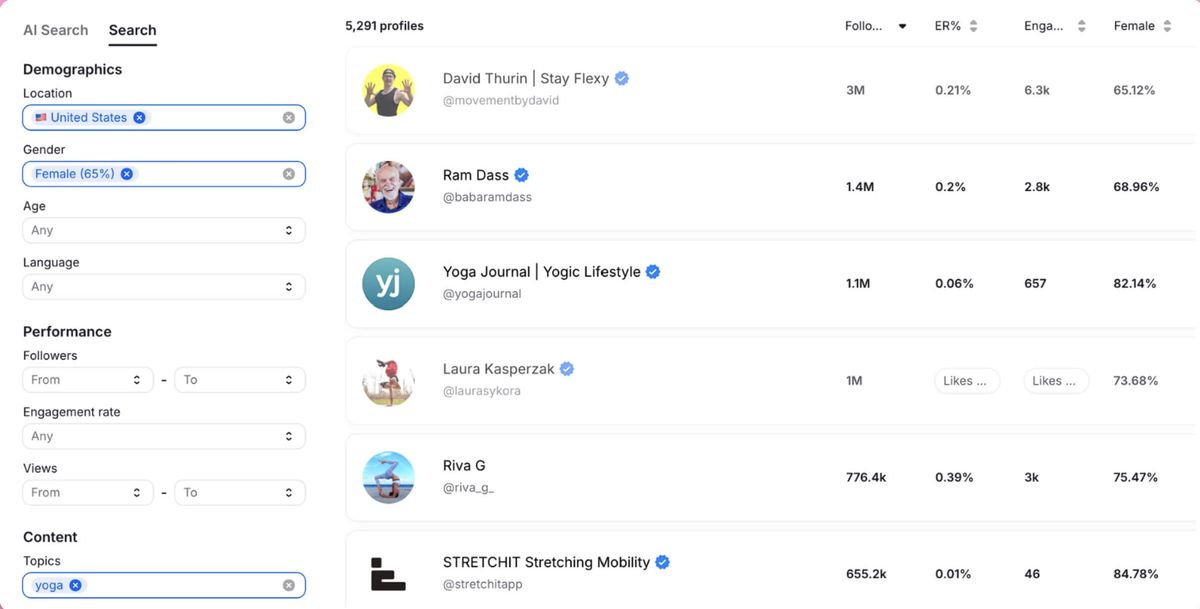
Modash is one of the largest influencer databases available, with 250M+ creator profiles across YouTube, Instagram, and TikTok. Its YouTube-specific filters include subscriber range, engagement rate, audience age/gender/location, and content category. Ideal for agencies and mid-market brands that need broad discovery across multiple platforms.
Platform 2. HypeAuditor
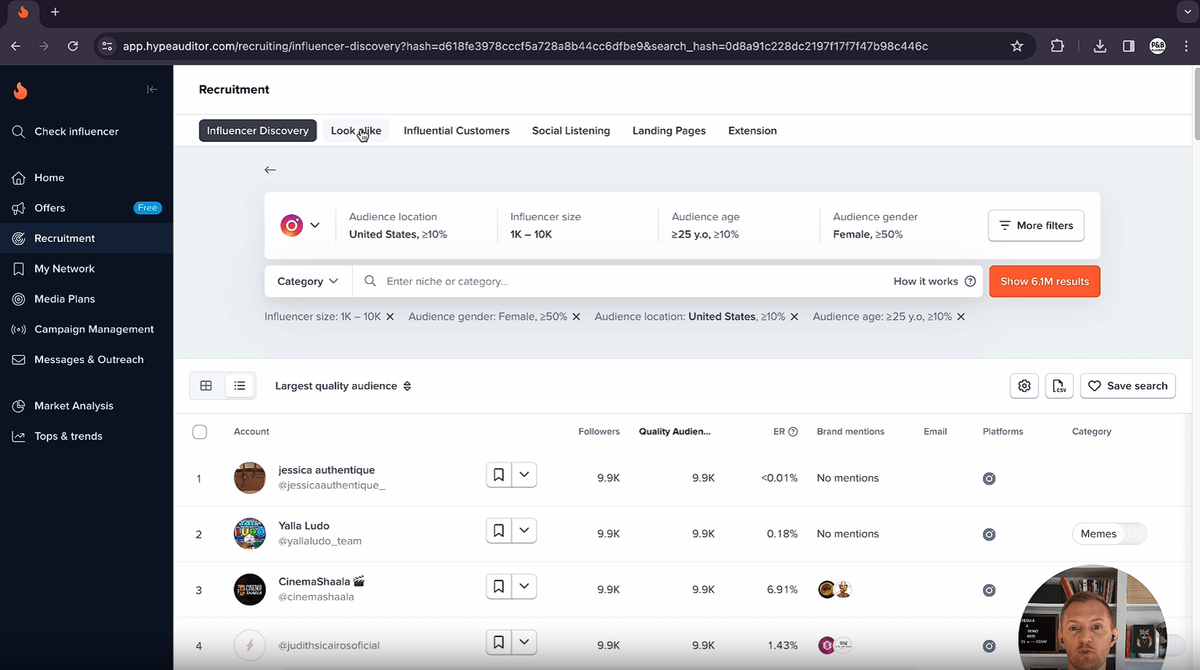
HypeAuditor is the go-to platform for fraud detection. Its AI-powered analysis identifies fake followers, bot engagement, and suspicious growth patterns before you commit budget. If audience authenticity is your top concern, HypeAuditor is the standard.
Platform 3. Upfluence
Upfluence is built for e-commerce brands. Integrates directly with Shopify and WooCommerce so you can track influencer-driven sales, manage gifting, and issue discount codes — all from one dashboard.
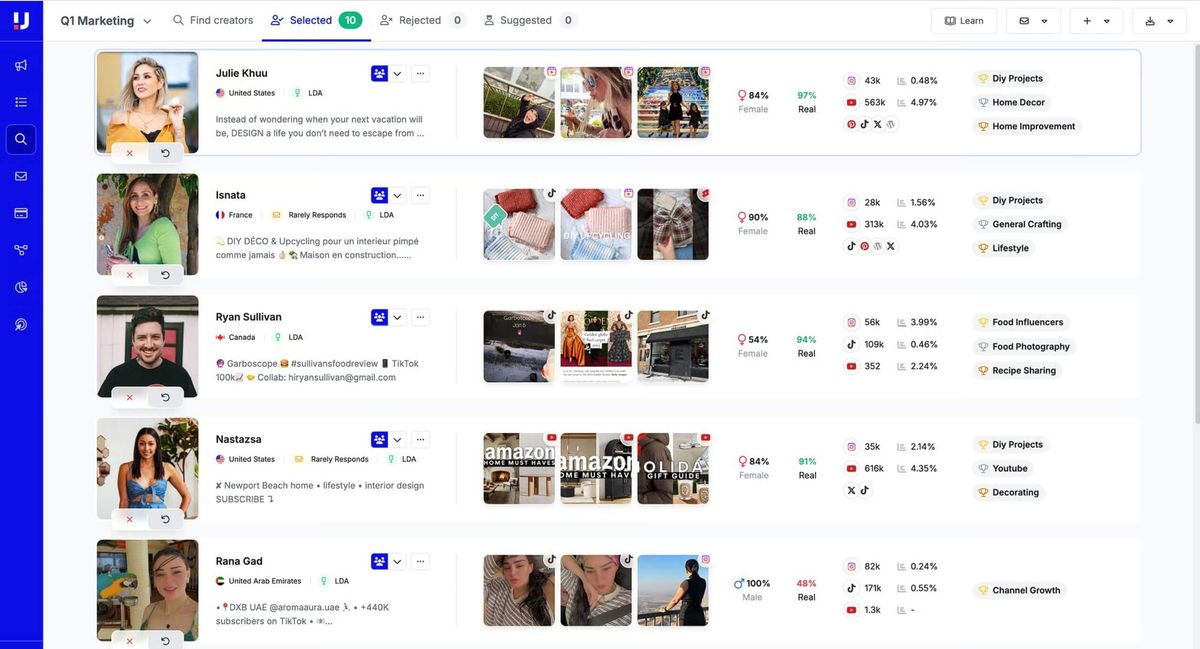
Platform 4. Influencer Hero
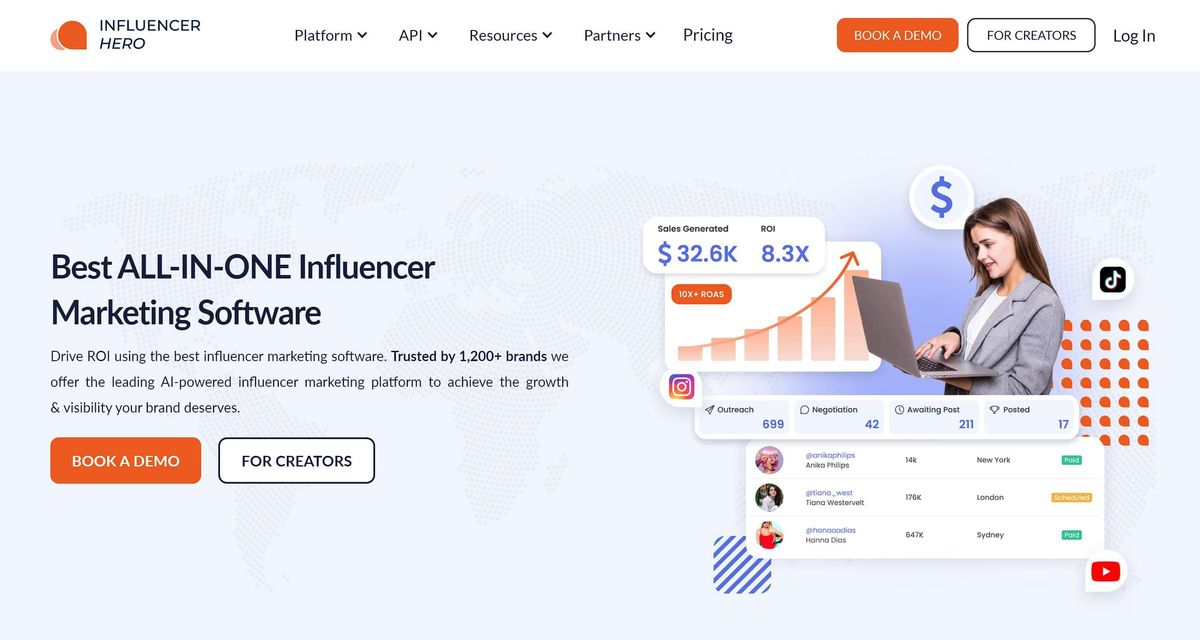
Influencer Hero is an all-in-one platform with deep YouTube analytics, automated CRM, and outreach tools. Strong for brands managing multiple creator relationships simultaneously.
Key features to look for:
- Subscriber range and engagement rate filters
- Audience demographics (age, gender, location, language)
- Fake follower/fraud detection
- Contact information access
- Campaign management and tracking
Best for: Marketing teams running 3+ campaigns per year who need a repeatable, scalable discovery process
Limitations: Monthly subscription costs add up; smaller brands may find the databases over-engineered for their needs. Free trials are available on most platforms, but data access is often limited.
💡 Pro tip: Don't just filter by subscriber count. A creator with 50K subscribers and a 6% engagement rate will almost always outperform a 500K-subscriber channel with 0.8% engagement for conversion-focused campaigns.
Method 2. Search YouTube Directly (The Free Method That Still Works)
Zero cost, surprisingly effective for niche discovery.
YouTube's own search is underrated as an influencer discovery tool. Most marketers skip it because it feels manual — but with the right approach, you can surface highly relevant creators in 30–60 minutes.
How to do it:
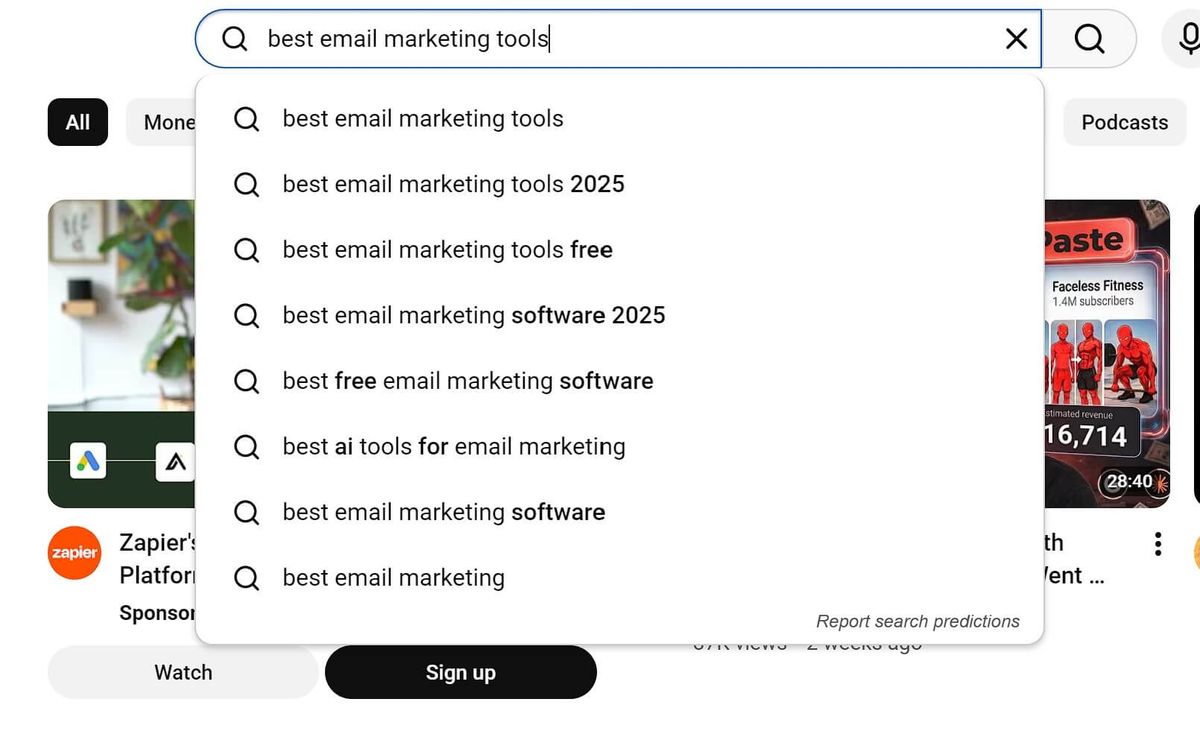
Step 1. Search your product category keywords (e.g., "best email marketing tools," "skincare routine for oily skin," "home gym setup")
Step 2. Filter results by Upload Date (last 3–6 months) to find active creators
Step 3. Look for channels with 5K–100K subscribers — they're often more responsive and have higher engagement than mega-influencers
Step 4. Check the "Channels" tab in search results to find creator pages directly
Step 5. Browse Related Channels on any relevant creator's page for similar creators in the same niche
Step 6. Use YouTube hashtags (e.g., #saastools, #skincareroutine) to find creators consistently posting in your category
Best for: Teams with a limited budget, or as a first-pass discovery method before investing in a paid platform
Limitations: No engagement rate data, no audience demographics, no fraud detection. You'll need to manually check Social Blade or HypeAuditor's free tier to vet anyone you find here.
⚠️ Warning: Subscriber count alone is a vanity metric. A channel with 200K subscribers but 0.5% engagement is worth less to your campaign than a 20K-subscriber channel with 5% engagement. Always cross-check with engagement data before adding anyone to your list.
Method 3. Use Google Search to Find Curated Influencer Lists
The fastest way to build a starting list — but verify everything.
Google surfaces curated "top YouTube influencers in [niche]" lists from marketing blogs, agencies, and industry publications. These are useful as a starting point, but treat them as leads, not final candidates.
Search queries that work:
- "top YouTube influencers" [your niche] 2026
- "best YouTube channels" [product category] site:forbes.com OR site:hubspot.com
- "YouTube creators" [niche] "sponsored" OR "brand deal"
- [competitor brand] + "YouTube" + "review"
Best for: Building an initial longlist quickly before deeper vetting
Limitations: Lists are often outdated (6–18 months old), rankings are subjective, and you have no way to verify audience quality from a blog post. Every name needs independent vetting before outreach.
Method 4. Analyze and Qualify YouTube Influencers at Scale (AI-Powered Vetting)
Finding YouTube influencers is easy. Knowing who’s actually worth your budget is where most campaigns fail.
Once you have a list of potential creators from YouTube search, Google, or influencer platforms, the real bottleneck is vetting. Manually checking each channel’s content, profitable keywords, engagement, audience fit, and past brand deals can take hours per creator — and doesn’t scale beyond a small list.
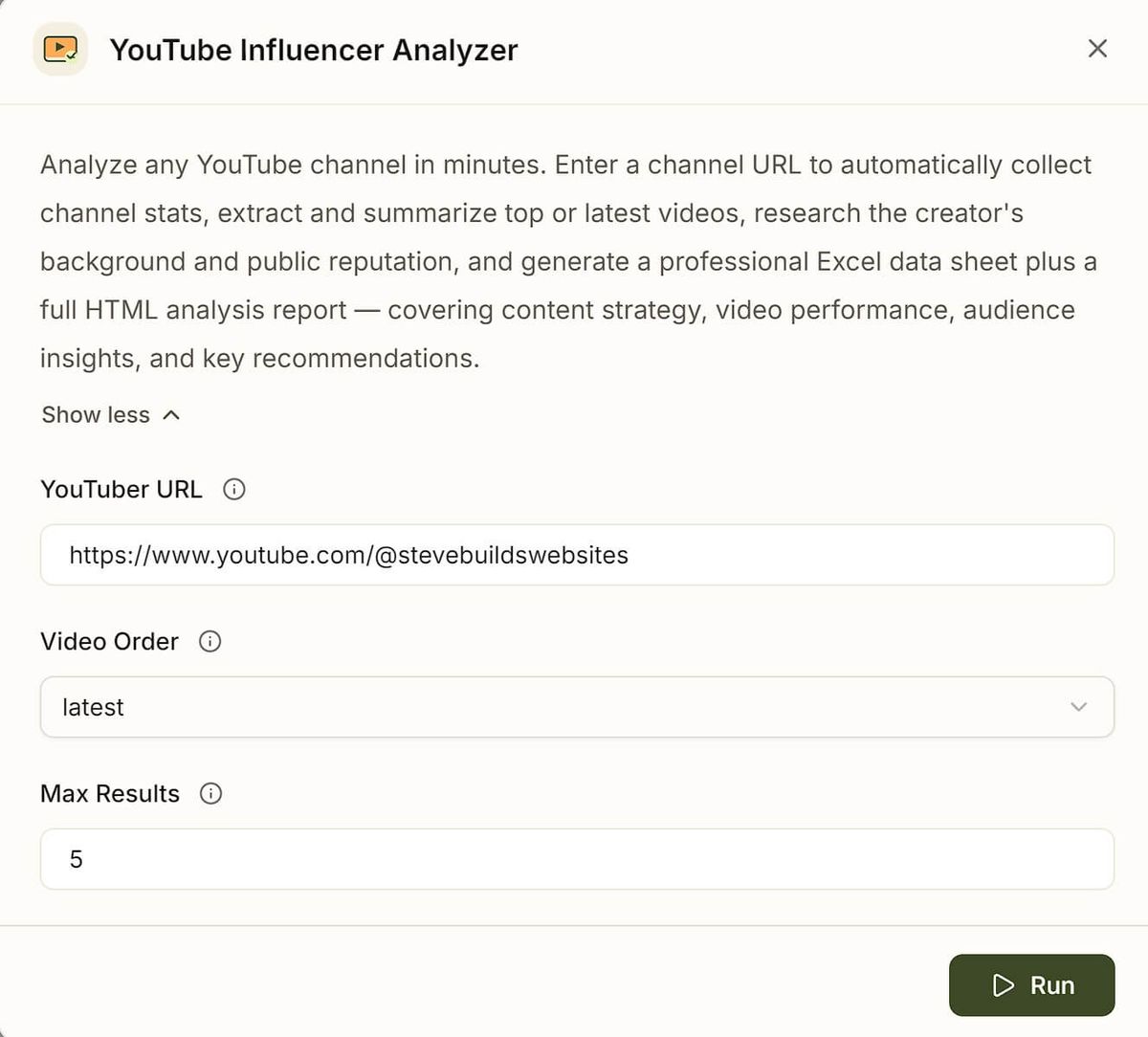
This is where AI-powered analysis tools like AllyHub come in. Instead of manually reviewing every channel, you can input a YouTube URL and automatically generate a structured analysis, including:
- Channel statistics (subscribers, views, posting frequency)
- Top and latest video performance summaries
- Content strategy breakdown (what topics actually drive views)
- Audience signals and engagement patterns
- Creator background and public reputation insights
- A downloadable Excel sheet for list building
- A full report with recommendations for collaboration fit
What this method solves
- Turn a raw list of creators into a qualified YouTube influencer list
- Eliminate low-quality or irrelevant creators early
- Standardize evaluation across your team (no more subjective decisions)
- Save hours of manual research per campaign
Key advantages
- Speed: Analyze a channel in minutes instead of 20–30 minutes manually
- Consistency: Every creator is evaluated using the same criteria
- Scalability: Easily vet 50–100 creators per campaign cycle
- Data ownership: Exportable reports and spreadsheets you can reuse
Best for: Marketing teams that already have a list of potential creators and need to quickly identify which ones are worth outreach and budget allocation.
Method 5. Analyze Your Competitors' Influencer Partnerships
Find proven creators without doing the discovery work yourself.
If your competitors are running YouTube influencer campaigns, they've already done the vetting work for you. The creators they're working with have demonstrated brand-fit, audience relevance, and willingness to collaborate — all signals you can use.
How to do it:
- Search YouTube for [competitor brand name] review or [competitor brand name] sponsored
- Check the video descriptions for #ad or #sponsored disclosures
- Look at the creator's channel — are they consistently posting in your niche?
- Note their subscriber count, recent view counts, and comment quality
- Build a spreadsheet with creator name, channel URL, subscriber count, and estimated engagement
Best for: Brands entering a new category or looking to quickly identify the active creator ecosystem in their niche
Limitations: You're always one step behind your competitors; popular creators may be exclusive or have rate cards that have increased since your competitor's deal.
💡 Pro tip: Don't just look at your direct competitors. Look at adjacent categories. If you sell project management software, check what creators your CRM competitors are working with — the audience overlap is often significant.
Method 6. Cross-Platform Search (Instagram, TikTok, Twitter/X)
Find YouTube creators before they're on anyone's radar.
Many YouTube creators are more discoverable on other platforms first. Searching Instagram, TikTok, and Twitter/X for niche-relevant creators often surfaces YouTube channels that haven't been indexed by influencer platforms yet — giving you access to emerging voices at lower rates.
How to do it:
- Search niche hashtags on Instagram (e.g., #emailmarketing, #ecommercetips) and check creator bios for YouTube links
- Search TikTok for your product category — many TikTok creators cross-post to YouTube
- Search Twitter/X for "[niche] YouTube" or "[niche] creator" to find active community members
- Check LinkedIn for B2B niche creators who also run YouTube channels
Best for: Brands looking for micro-influencers (10K–100K subscribers) in specific niches, or B2B marketers targeting professional audiences
Limitations: Time-intensive; no engagement data available without additional tools; requires manual cross-referencing to confirm YouTube channel quality.
Method 7. Use Influencer Marketplaces for Fast, Transactional Campaigns
Skip the negotiation — browse, book, and launch.
Influencer marketplaces like Collabstr let you browse creator profiles with transparent pricing, view past work samples, and book collaborations directly — without the back-and-forth of traditional outreach. Think of it as an Airbnb for influencer partnerships.
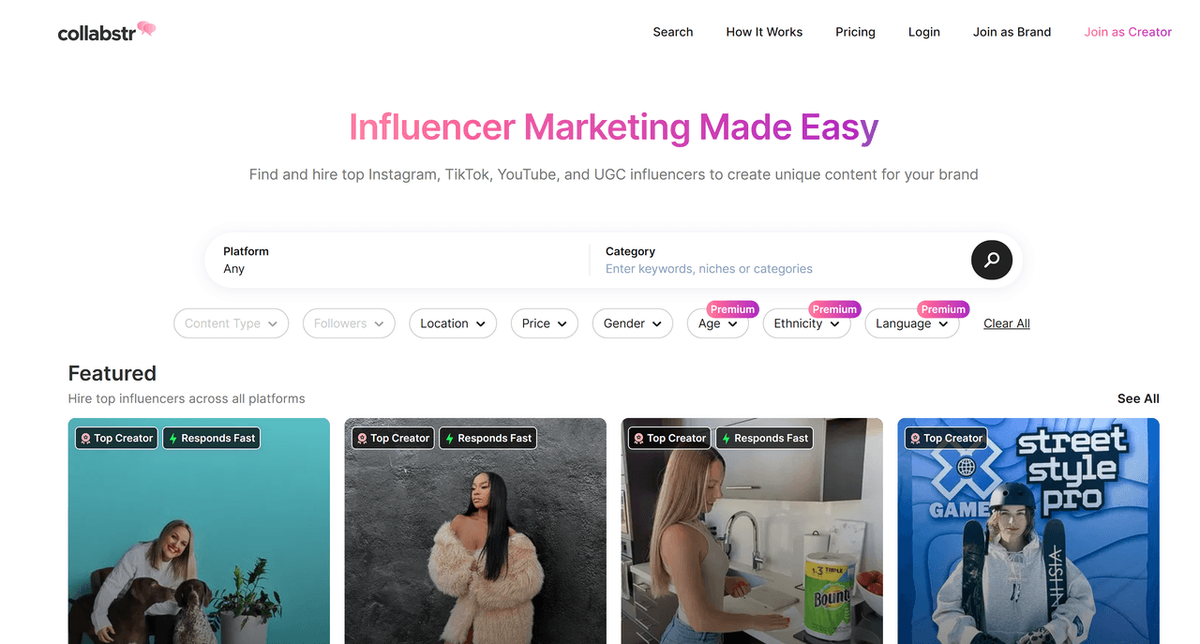
Key features:
- Transparent pricing — creators list their rates upfront
- Browse by platform, niche, follower count, and content type
- Direct booking — no agency middleman
- Portfolio samples available before you commit
- Built-in payment and contract management
Pricing: Free to browse; platform fee applies on bookings (typically 10–15%)
Best for: Teams running one-off campaigns, product launches, or testing new creator categories without a long-term commitment
Limitations: Creator pool is smaller than dedicated discovery platforms; less sophisticated audience analytics; best for transactional campaigns rather than long-term influencer relationships.
How to Choose the Right Method for Your Needs
- Beginner (first campaign): Start with YouTube search + Google lists to build a longlist, then validate creators using tools like HypeAuditor or Social Blade.
- Ongoing campaigns (3+ per year): Use a dedicated platform like Modash or HypeAuditor to save time. Add competitor analysis to uncover hidden creators.
- E-commerce brands (ROI-focused): Upfluence is ideal for tracking influencer-driven sales with direct Shopify/WooCommerce integration.
- Need structured insights at scale: Use AI tools like AllyHub to analyze shortlisted creators, extract video and channel data, and generate structured reports for decision-making.
- One-off, fast campaigns: Collabstr or YouTube BrandConnect help you find and book creators quickly.
Engagement Rate Benchmarks for YouTube Influencers
Before you finalize your influencer list, use these benchmarks to qualify candidates:
Influencer Tier | Subscribers | Healthy Engagement Rate |
Nano | 1K–10K | 4–8%+ |
Micro | 10K–100K | 3–6% |
⚠️ Warning: YouTube engagement is measured differently than Instagram or TikTok. Views-to-subscriber ratio matters more than likes alone. A video with 10K views on a 50K-subscriber channel (20% view rate) is a strong signal of an engaged audience.
FAQ: How to Find YouTube Influencers
How do I find suitable YouTube influencers for my brand?
Start by defining your campaign goals and target audience demographics. Then use a combination of methods: YouTube native search for initial discovery, a dedicated platform like Modash or HypeAuditor for filtering and vetting, and competitor analysis to identify proven creators in your niche. Prioritize engagement rate and audience demographics over raw subscriber count.
What tools can be used to find YouTube influencers?
The most widely used YouTube influencer marketing platforms include Modash (largest database, 250M+ profiles), HypeAuditor (best for fraud detection), Upfluence (best for e-commerce), YouTube BrandConnect (official YouTube platform), Collabstr (marketplace for fast bookings), and ChannelCrawler (YouTube-specific discovery). Free options include YouTube's native search, Social Blade, and Google search.
How do you vet YouTube influencers for authenticity?
Check engagement rate against the benchmarks above, read comments for genuine audience interaction (not just emoji responses), verify follower growth trends on Social Blade (sudden spikes indicate purchased followers), and use HypeAuditor's fake follower detection for high-stakes campaigns. Also review how the creator handles past brand integrations — forced or inauthentic placements are a red flag.
How can I find YouTube influencers for free?
Use YouTube's native search with niche-specific keywords, browse YouTube hashtags in your category, search Google for curated influencer lists, analyze competitor brand deals on YouTube, and cross-reference creators on Instagram and TikTok. Free tools like Social Blade and SocialiQ can supplement your vetting process at no cost.
What's the difference between nano, micro, and macro YouTube influencers?
Nano-influencers (1K–10K subscribers) have the highest engagement rates and are most receptive to new brand partnerships — often willing to work on gifting or commission models. Micro-influencers (10K–100K) offer the best balance of reach and engagement for most campaigns. Macro and mega-influencers (500K+) deliver broad reach but lower engagement and significantly higher rates. For most e-commerce and digital marketing campaigns, micro-influencers deliver the best ROI.
How do I build a YouTube influencer list I can reuse?
Build your list in a structured spreadsheet with columns for: channel name, URL, subscriber count, engagement rate, niche/category, audience demographics, contact email, past brand deals, and a relevance score. Refresh the list quarterly by checking for new creators in your niche and removing inactive channels. AI-powered data extraction tools can automate this refresh process at scale.
What engagement rate should I look for in a YouTube influencer?
A healthy engagement rate on YouTube is 3–7% for most tiers. Nano-influencers (1K–10K) should show 4–8%+; micro-influencers (10K–100K) should show 3–6%. Anything below 1% on a channel under 500K subscribers is a warning sign. Remember that YouTube measures engagement differently — views-to-subscriber ratio (aim for 20%+) is often a more reliable signal than likes alone.