Millions of shoppers search for the "best beauty products on Amazon" every month to find affordable dupes, clinical skincare, and viral makeup trends. But for marketers, this search represents something much bigger than consumer hype. It is a window into real-time operational data.
A generic top list might help a shopper build their cart, but as a marketer, you need to understand the underlying mechanics. You need to know why clinical skincare is outperforming lifestyle makeup, how reviews influence conversion, how sales velocity shows up in Best Seller Rank, and where the white space lies for your own brand.
This guide breaks down 16 of the best beauty products on Amazon right now, analyzed through a pure marketing lens, showing you exactly how to convert raw platform metrics into actionable category intelligence.
Note: If you’re shopping for beauty products, this list will still show you what is trending. But this guide is written for marketers: we’re using Amazon’s best-selling beauty products as signals of demand, positioning, pricing, and category opportunity.
Key Takeaways
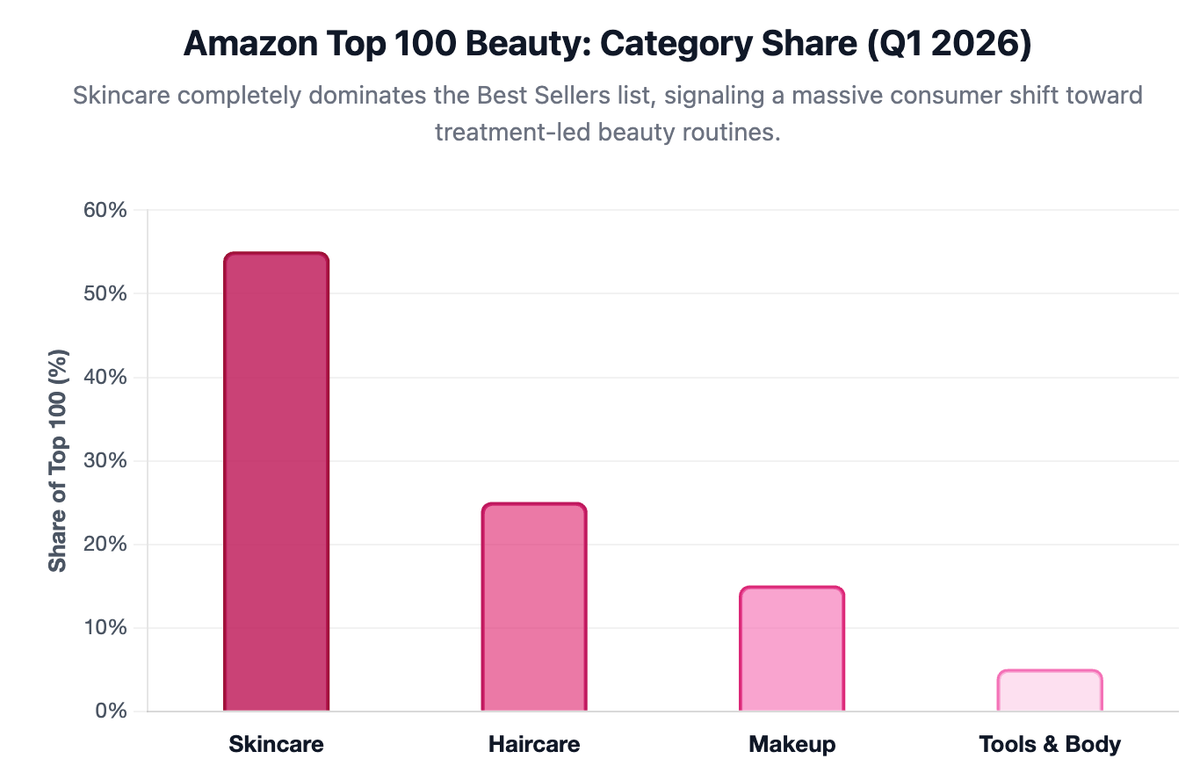
- Skincare dominates: In Q1 2026, skincare products claimed the majority of Amazon's top beauty spots — K-beauty brands like Medicube and Biodance are driving this shift with treatment-focused, routine-anchored products.
- Ingredients over branding: Consumers on Amazon prioritize active ingredients (glycolic acid, niacinamide, collagen) over brand names — this is a major shift that marketers need to account for in product positioning.
- Amazon beauty rewards clear value at multiple price points: Under-$15 replenishable staples, $20–$50 treatment-led skincare, and premium devices when the clinical or performance story is strong.
- The "skinification" trend is reshaping haircare: Products like Mielle Rosemary Oil and Kitsch dry shampoo borrow skincare language (ingredients, routines, treatments) — a content strategy opportunity for beauty marketers.
- Amazon reviews are a goldmine for competitive intelligence: Rating volume, review velocity, and recurring complaint themes reveal far more than star averages — smart marketers extract this data to inform product development and positioning.
- Marketer's starting point: Start with Amazon Best Sellers as a trend barometer, then layer in review analysis to understand why products win — tools like AllyHub automate the data extraction so you can spend time on strategy, not manual research.
Why Amazon Beauty Matters for Marketers in 2026
Amazon has become one of the most important beauty retail channels in the U.S. It's not just where consumers buy — it's where they discover, compare, and validate purchase decisions. For marketers, this means Amazon's beauty category functions as both a sales channel and market research panel.
The Numbers Behind the Shift
Amazon Beauty & Personal Care generated an estimated $50 billion in gross merchandise volume in 2025, with skincare alone growing over 16% year-over-year. The platform now accounts for roughly 15% of all beauty product searches in the U.S., second only to Google.
But the more interesting story for marketers isn't the revenue. It's the data signal:
Data Signal | What It Tells Marketers |
Best Seller Rank (BSR) velocity | Real-time demand shifts — faster than Nielsen or NPD |
Review volume acceleration | Product-market fit validation at scale |
Recurring review themes | Unmet consumer needs → white space opportunities |
Amazon Best Sellers can be a useful short-cycle demand signal, especially when tracked over time. But marketers should treat it as a directional signal, not a replacement for broader market research.
What's Different About Amazon Beauty Consumers
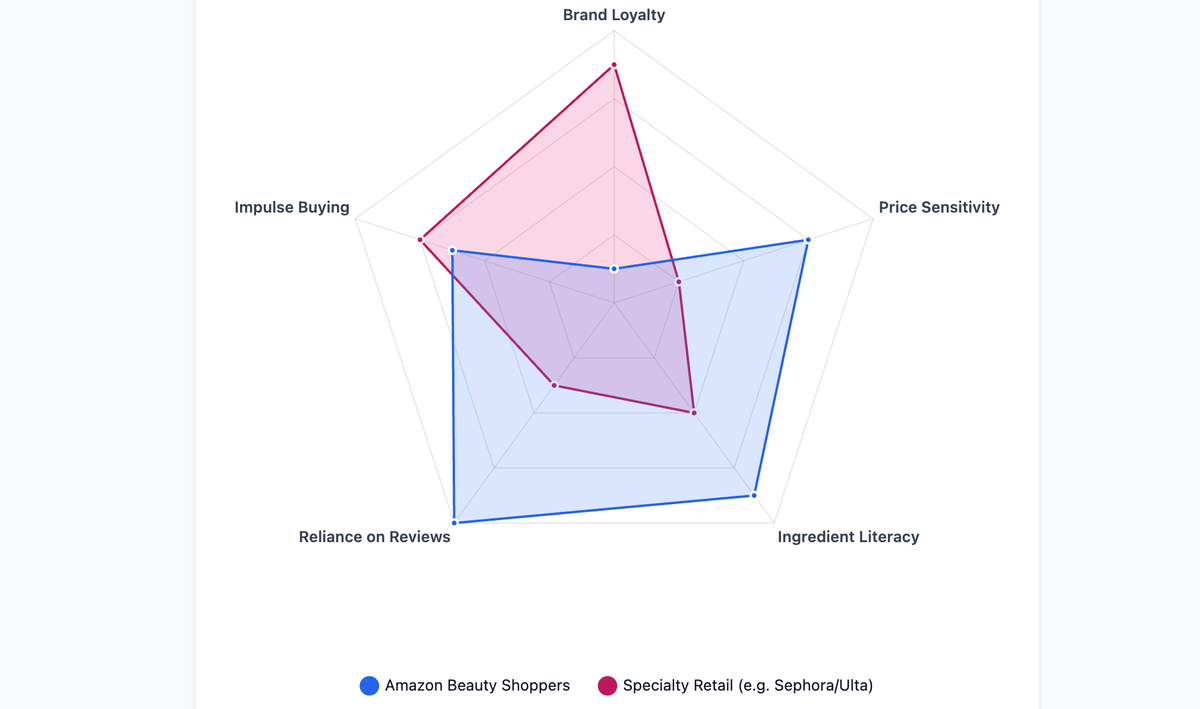
Amazon beauty shoppers aren't the same as Sephora or Ulta shoppers. They tend to be more price-conscious, more ingredient-literate, and more likely to make purchase decisions based on reviews rather than brand loyalty. This has created an environment where challenger brands — especially K-beauty and clinical skincare lines — can compete directly with legacy conglomerates.
For marketers, this means the competitive landscape is unusually fluid. The brand that dominates today might not be the brand that dominates next quarter. Staying current requires systematic monitoring — not occasional browsing.
How We Identified the Best Beauty Products on Amazon
Most "best of Amazon" lists are compiled by a single editor browsing the site for an afternoon.
The products below combine Amazon best-seller signals, editor visibility, high review volume, and category relevance. Some are current top-ranked best sellers; others are strategically important products marketers should study because they represent a pricing, positioning, or category trend.
16 Best Beauty Products on Amazon by Category
We’ve selected 16 standout products evenly across four major categories to show you what's winning right now.
Top Skincare Products on Amazon
Skincare is the undisputed heavyweight of Amazon's beauty category. In Q1 2026, skincare products accounted for the majority of Amazon’s overall top best-sellers.
1. Medicube Zero Pore Pad 2.0
Category: Toner Pads | Price Range: $22–$28 | Rating: 4.5+ (8,000+ reviews)
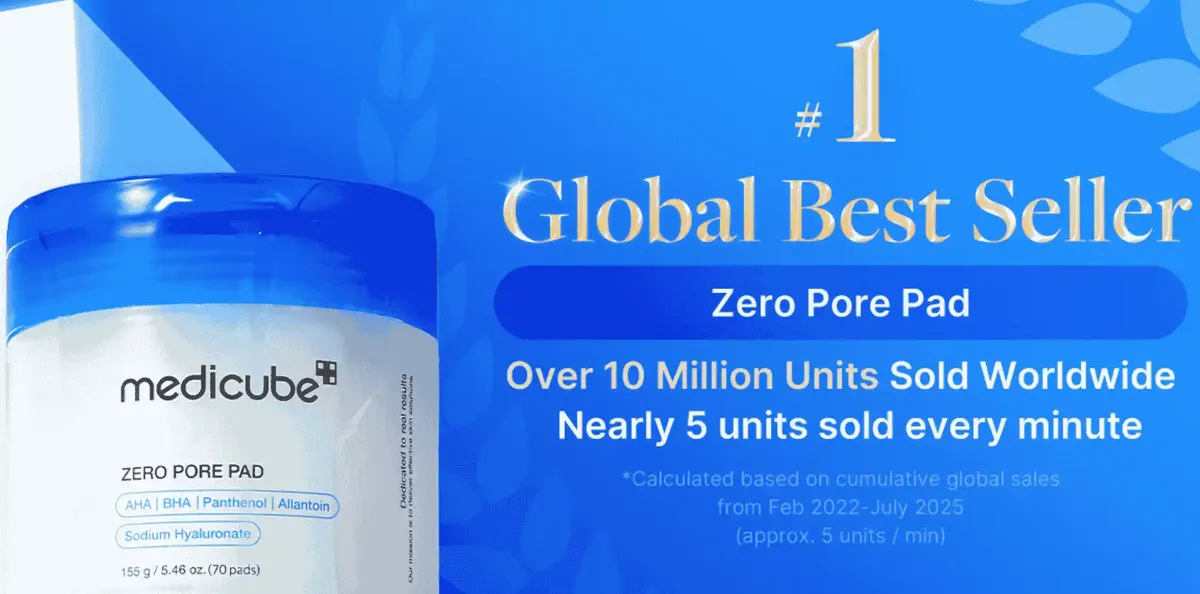
The #1 beauty product on Amazon in early 2026. Korean brand Medicube has cracked the code on what Amazon beauty consumers want: a product that feels clinical but accessible, with a specific, outcome-oriented promise (pore minimization). The double-sided pad design—one side exfoliating, one side smoothing—creates a ritual that drives repeat purchase.
Marketer's note: Medicube's success illustrates a powerful Amazon positioning strategy: take a treatment traditionally delivered in a clinic (pore care), package it for at-home use, and price it under $30. The "professional results at home" narrative consistently outperforms luxury positioning on Amazon.
2. Hero Cosmetics Mighty Patch Original
Category: Acne Treatment | Price Range: $10–$13 | Rating: 4.5+ (70,000+ reviews)
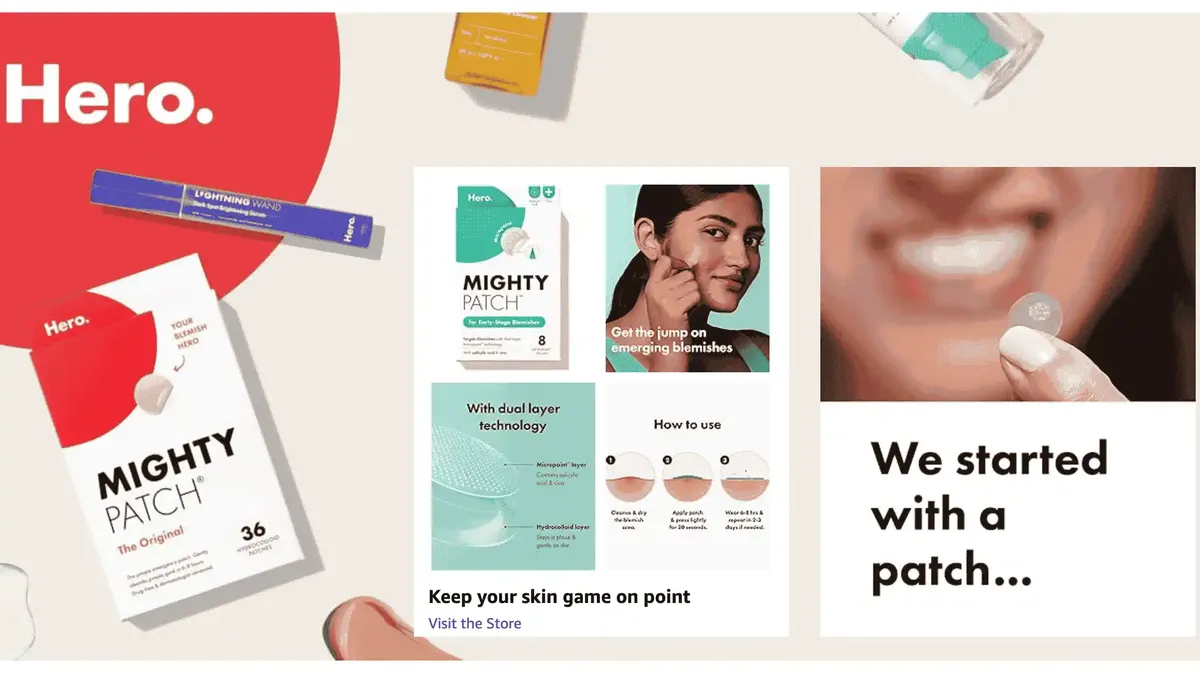
The Mighty Patch is a masterclass in Amazon product positioning. It solves a specific, high-emotion problem (visible acne) with a simple, visible solution (you can see the patch working). The before-and-after visual proof in reviews drives an unusually high conversion rate.
Pro tip: Hero Cosmetics' review section is a competitive intelligence goldmine. Read the 3-star reviews specifically—they reveal exactly what consumers wish the product did that it doesn't. For beauty marketers, this is free product development input.
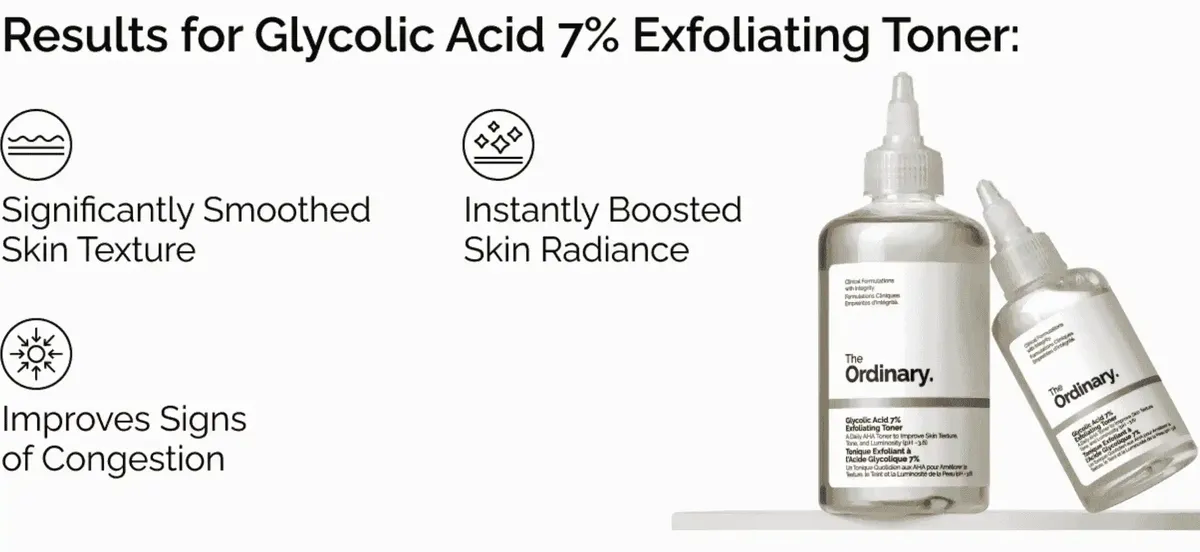
3. The Ordinary Glycolic Acid 7% Exfoliating Toner
Category: Chemical Exfoliant | Price Range: $10–$13 | Rating: 4.5+ (50,000+ reviews)
The Ordinary's formula for Amazon success: clinical ingredient + transparent concentration + under-$15 price. It sells the outcome (smoother, brighter skin) while crediting a specific ingredient — so consumers feel informed, not marketed to. This ingredient-forward approach is especially effective on Amazon, where shoppers often search by active ingredients.
4. CeraVe Daily Moisturizing Lotion
Category: Face Moisturizer | Price Range: $12–$16 | Rating: 4.6+ (100,000+ reviews)
CeraVe is the anchor tenant of Amazon skincare. Dermatologist-developed, fragrance-free, with ceramides and hyaluronic acid — it's the "safe choice" that consumers return to between trend-driven purchases. The brand's consistency has built the kind of review volume (100K+) that creates an almost unassailable search ranking advantage.
Marketer's note: CeraVe's strategy for marketers to study: they win not through novelty but through availability + trust. If you're launching a beauty brand on Amazon, ask yourself: what's the "CeraVe" position in your subcategory — the safe, reliable anchor that drives recurring revenue?
Top Makeup Products on Amazon
Makeup's share of Amazon's top beauty spots has actually declined in recent quarters — a signal marketers should note. Consumers appear more willing to buy treatment products (skincare) on Amazon than color cosmetics, where shade matching and texture testing still favor in-store or brand.com experiences. That said, several makeup products continue to dominate.
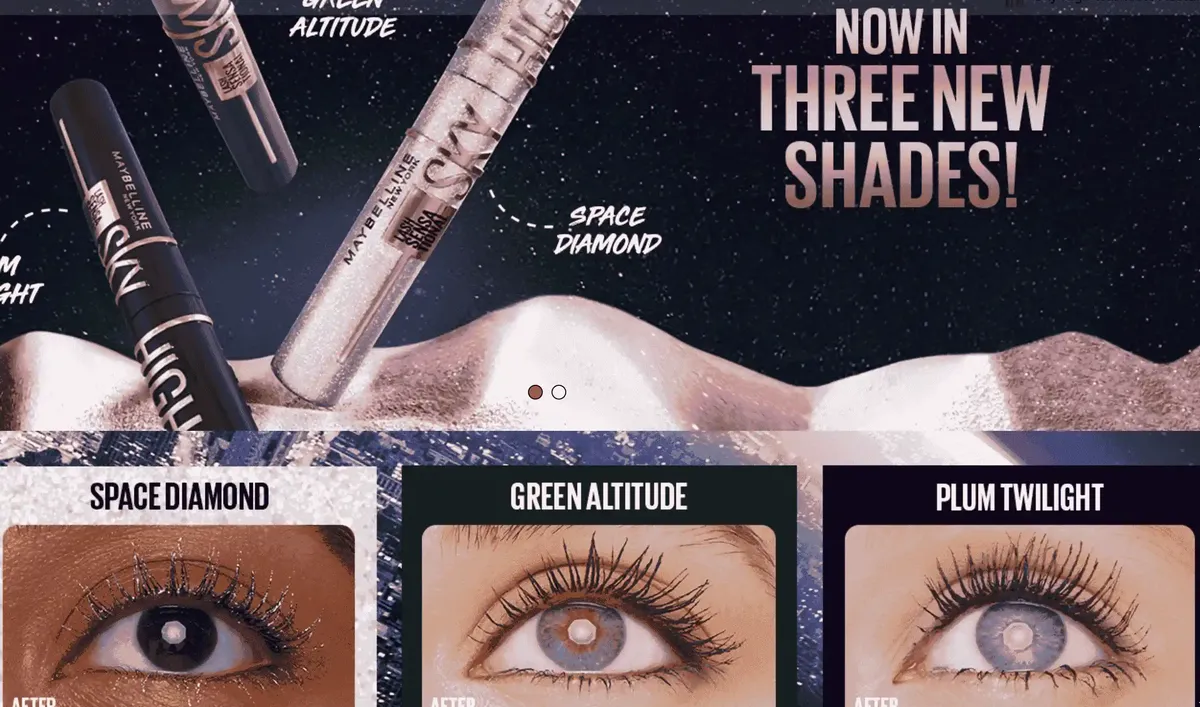
1. Maybelline Lash Sensational Sky High Mascara
Category: Mascara | Price Range: $8–$12 | Rating: 4.4+ (100,000+ reviews)
Sky High went viral on TikTok and never came down. 100,000+ reviews on Amazon alone — and the product consistently ranks #1 in the mascara subcategory. The "limitless length" positioning and the flexible silicone brush create a differentiated experience that consumers actively recommend.
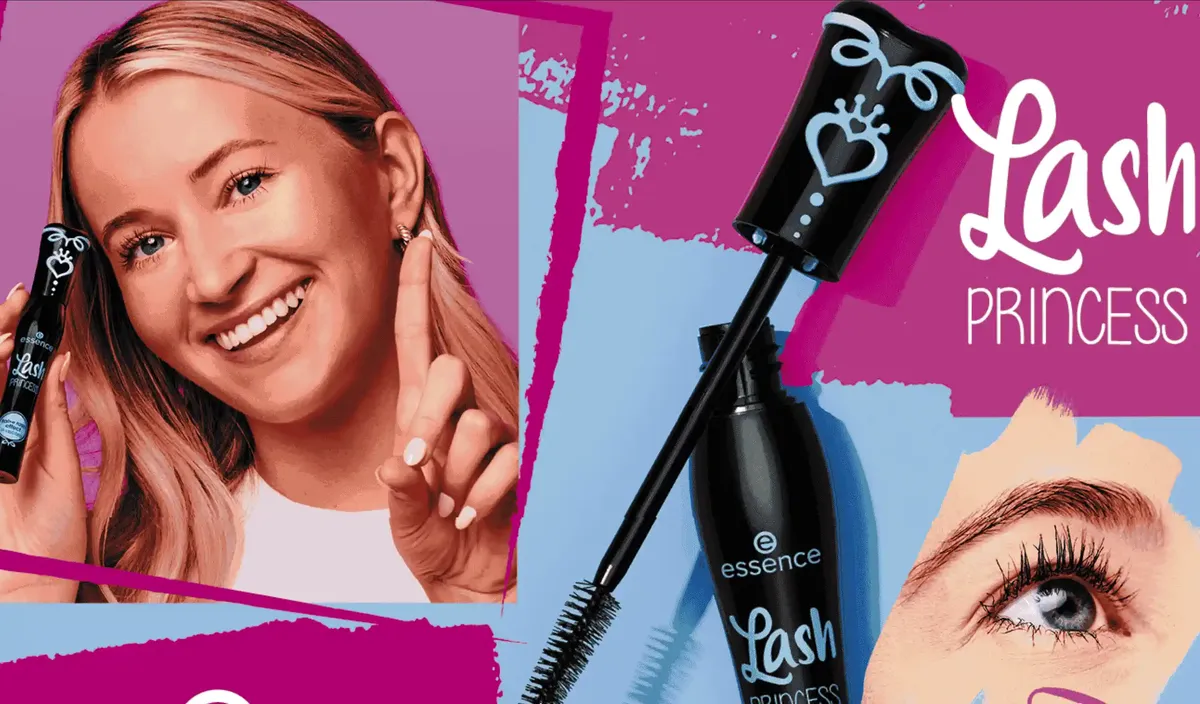
2. Essence Lash Princess False Lash Effect Mascara
Category: Mascara | Price Range: $4–$5 | Rating: 4.3+ (300,000+ reviews)
At under $5, Essence Lash Princess may be the highest-volume beauty product on Amazon. 300,000+ reviews — the sheer volume creates an SEO flywheel that's nearly impossible to compete with. The product itself delivers dramatic volume at a price that eliminates purchase hesitation entirely.
Pro tip: Essence's strategy is worth studying for any DTC beauty brand considering Amazon. They compete on volume and accessibility, not prestige. The question for your brand: are you competing on premium differentiation or volume accessibility? Amazon rewards clarity — the middle ground is the hardest to win.
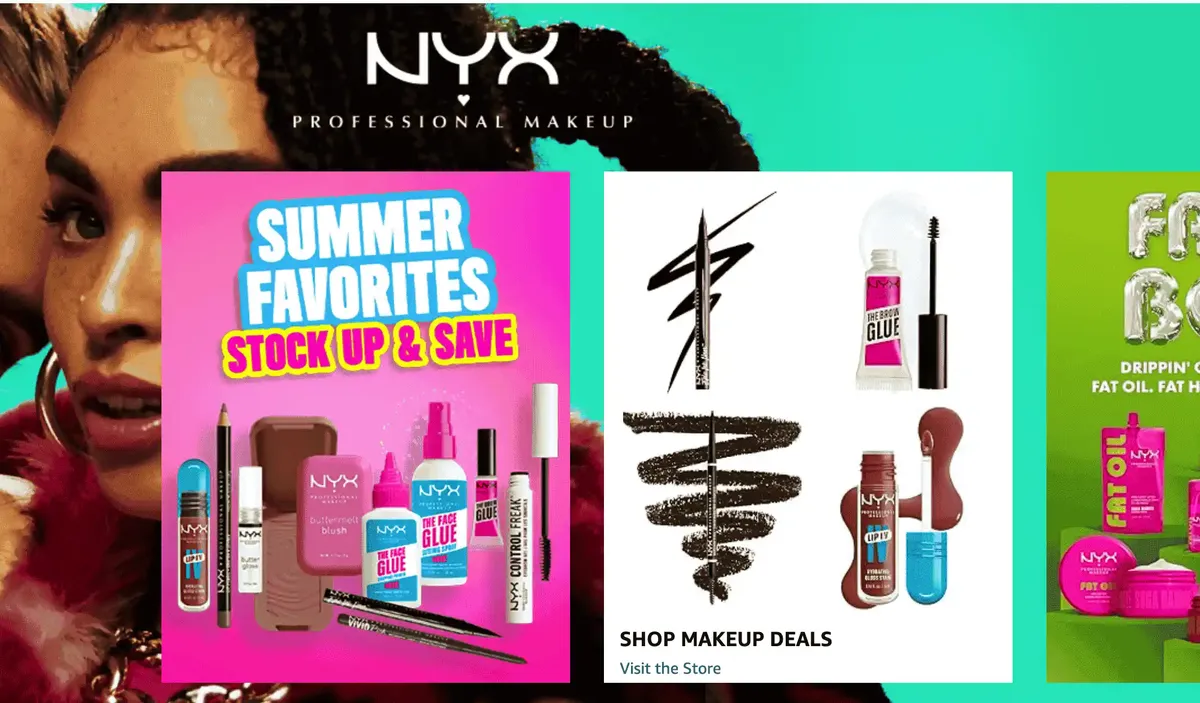
3. NYX Professional Makeup The Brow Glue
Category: Brow Gel | Price Range: $7–$9 | Rating: 4.3+ (80,000+ reviews)
NYX Brow Glue is the best-performing brow product on Amazon, and the name itself is a conversion asset. "Brow Glue" is more descriptive and benefit-forward than "brow gel" — it tells consumers exactly what to expect. This is a naming lesson for beauty brands: on Amazon, descriptive product names outperform creative ones.
4. Covergirl Clean Invisible Foundation
Category: Foundation | Price Range: $10–$14 | Rating: 4.2+ (15,000+ reviews)
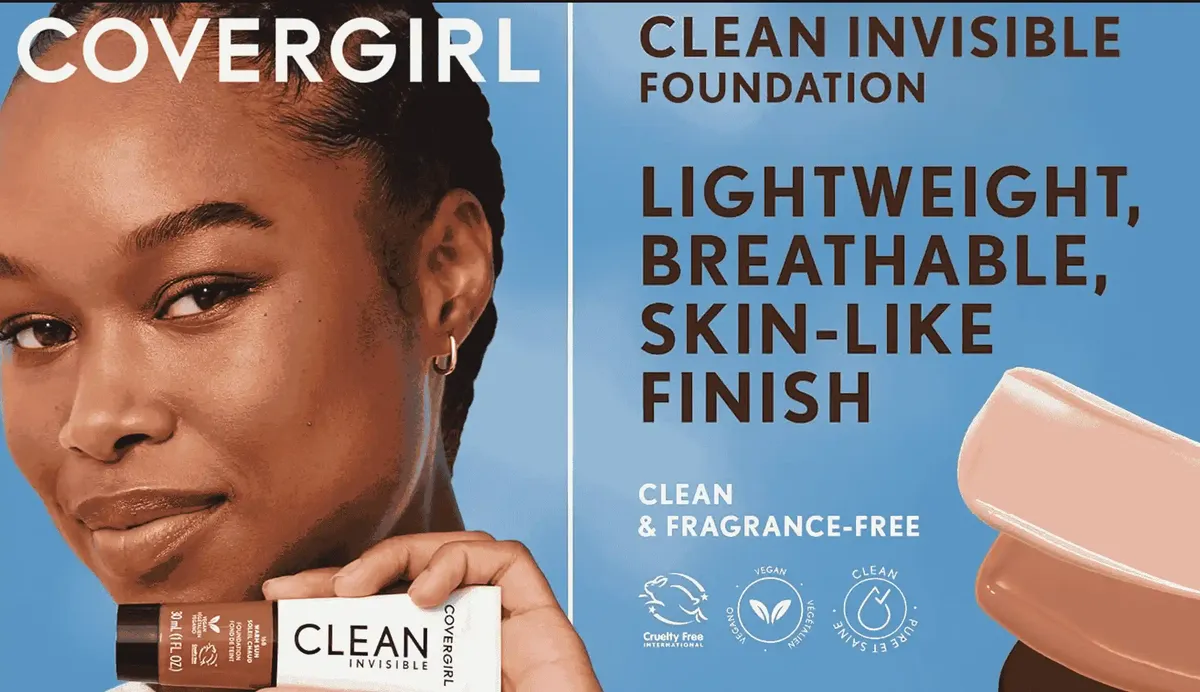
Foundation is a notoriously difficult category on Amazon due to shade matching. Covergirl addresses this with "Clean Invisible" — a lightweight formula that's more forgiving on shade accuracy. The "clean" positioning also aligns with the ingredient-conscious trend driving skincare.
Top Haircare Products on Amazon
Haircare on Amazon is undergoing what industry analysts call "the skinification of hair" — products are increasingly positioned with skincare-like language around ingredients, routines, and treatments. Scalp care, in particular, has emerged as a breakout category.
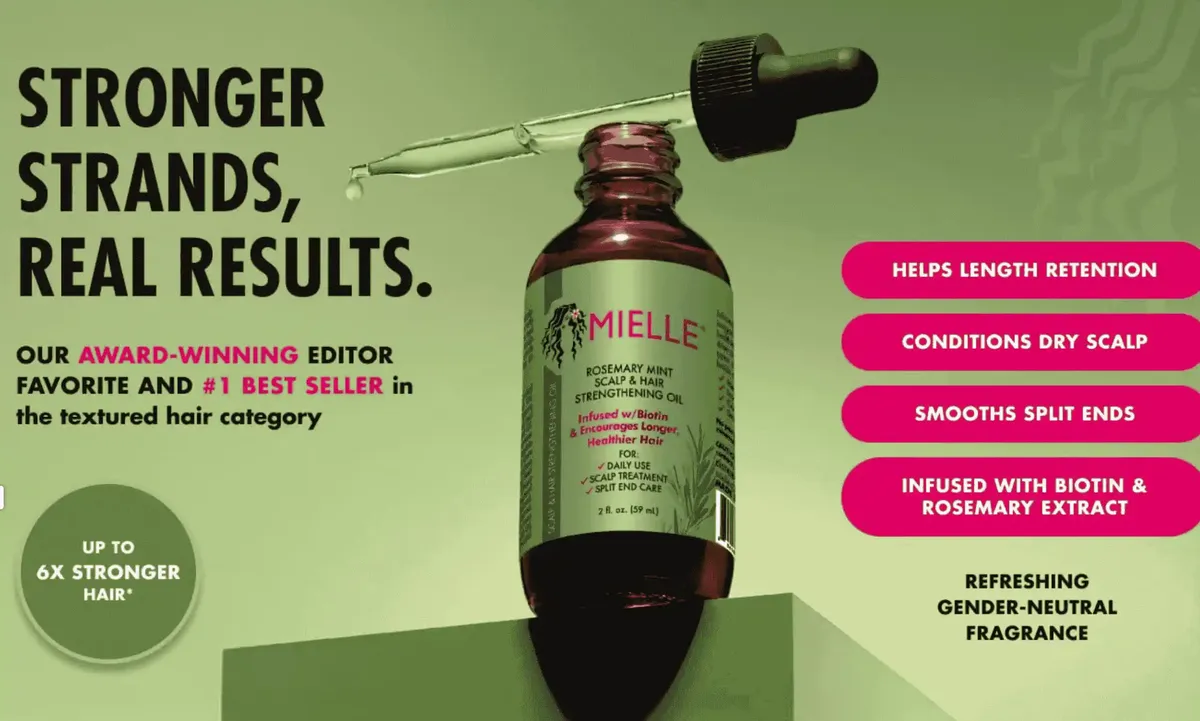
1. Mielle Rosemary Mint Scalp & Hair Strengthening Oil
Category: Hair Oil | Price Range: $9–$11 | Rating: 4.5+ (120,000+ reviews)
Mielle is the #1 haircare product on Amazon and one of the most instructive case studies for beauty marketers on the platform. The brand was acquired by P&G in 2023 but maintained its identity — and its Amazon dominance has only grown. The rosemary oil trend, amplified by social media's "hair growth" content ecosystem, has made this product a recurring purchase for millions.
Marketer's note: Mielle demonstrates the "Amazon-first" brand building model: win on Amazon through authentic community traction, then expand to retail. For beauty marketers, this is a reversal of the traditional playbook — and it's increasingly viable.
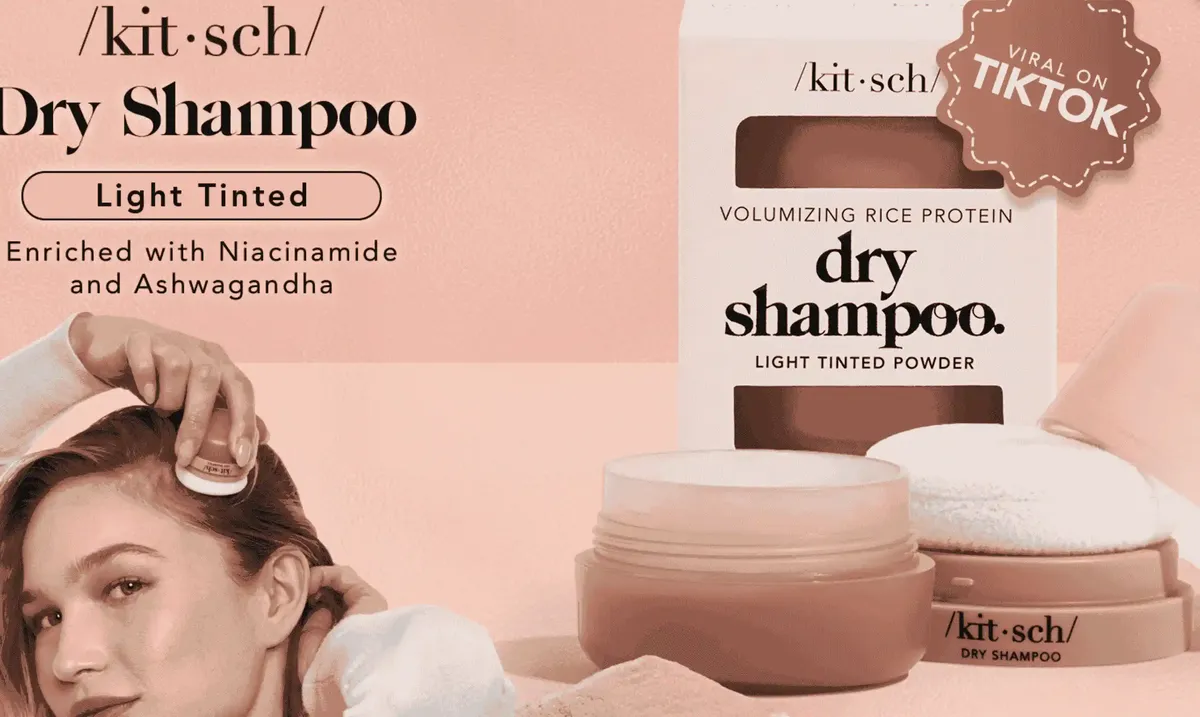
2. Kitsch Volumizing Rice Protein Dry Shampoo Powder
Category: Dry Shampoo | Price Range: $14–$16 | Rating: 4.4+ (20,000+ reviews)
Kitsch has positioned this product brilliantly: aerosol-free (sustainability angle), rice protein (ingredient story), volumizing (functional benefit). It's a powder, not a spray — which differentiates it from 90% of the dry shampoo category. The packaging is designed to photograph well, which drives organic social content from customers.
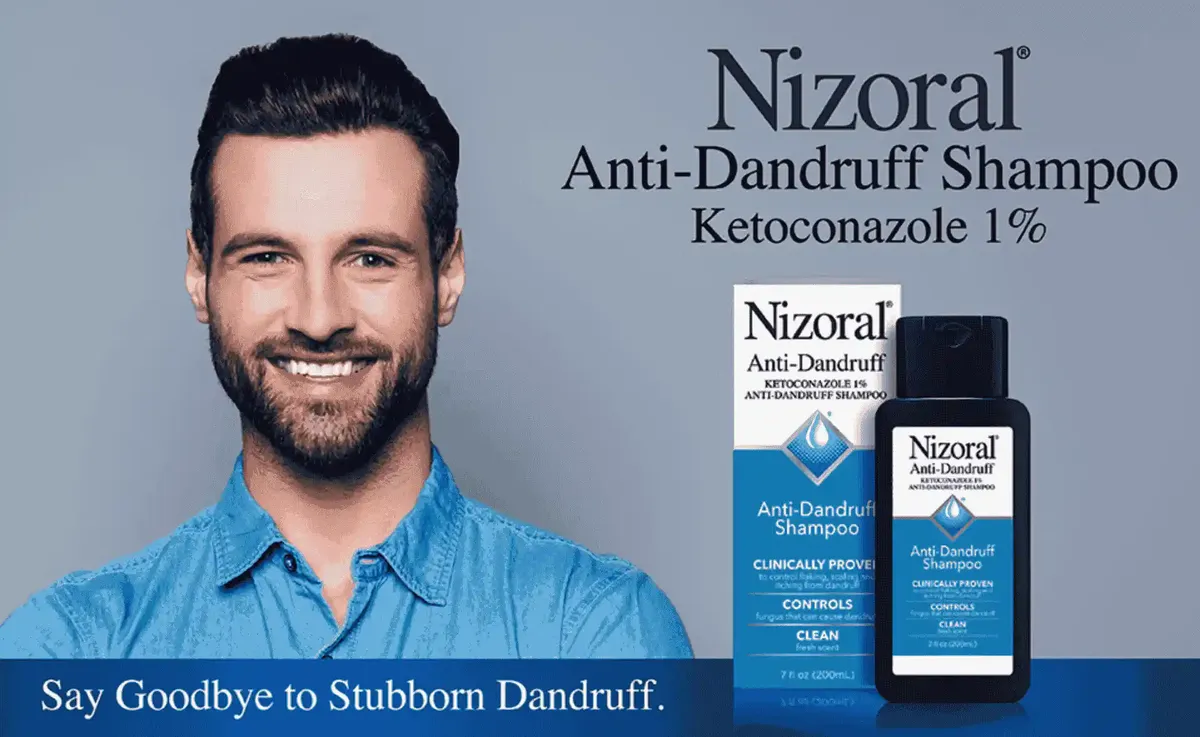
3. Nizoral Anti-Dandruff Shampoo
Category: Medicated Shampoo | Price Range: $14–$16 | Rating: 4.5+ (50,000+ reviews)
Nizoral's consistent top-ranking position reveals an underappreciated Amazon dynamic: medical-adjacent products with strong efficacy signals outperform lifestyle-positioned alternatives. The active ingredient (ketoconazole 1%) is the hero — branding and packaging are secondary to the clinical promise.
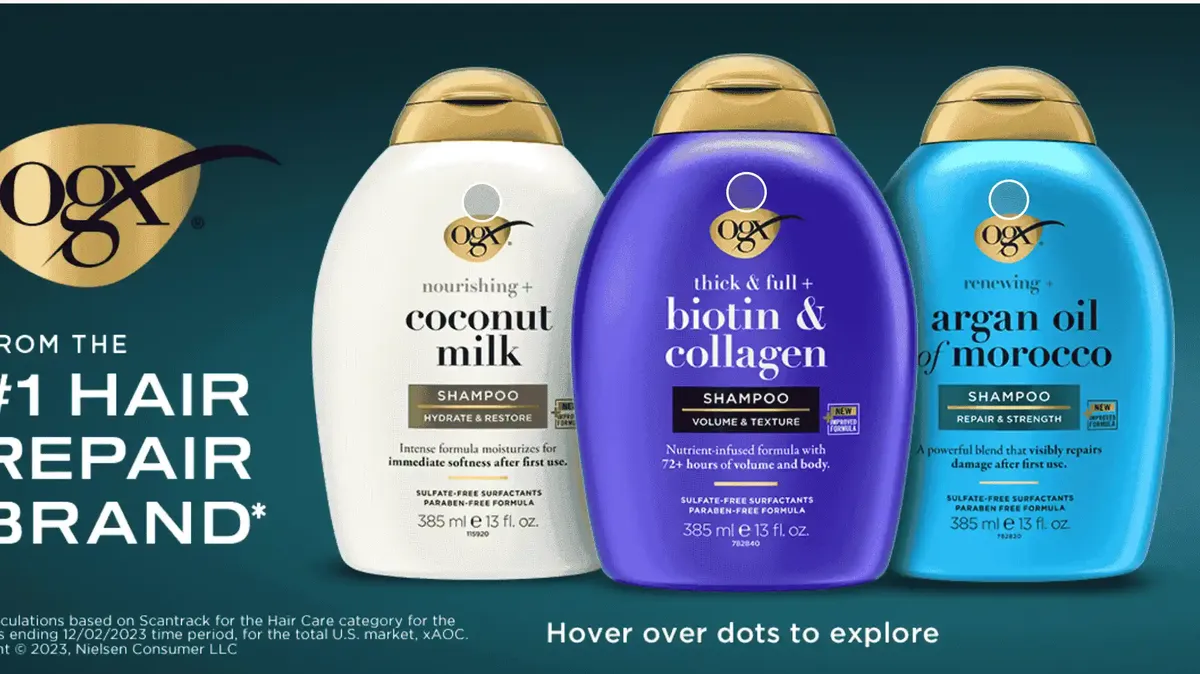
4. OGX Thick & Full + Biotin & Collagen Shampoo
Category: Volumizing Shampoo | Price Range: $7–$9 | Rating: 4.4+ (60,000+ reviews)
OGX wins on value positioning: biotin + collagen at drugstore pricing. The ingredient callouts on the front of the bottle do the heavy lifting for conversion — consumers scanning Amazon search results see "Biotin & Collagen" and immediately understand the value proposition.
Top Body Care & Tools on Amazon
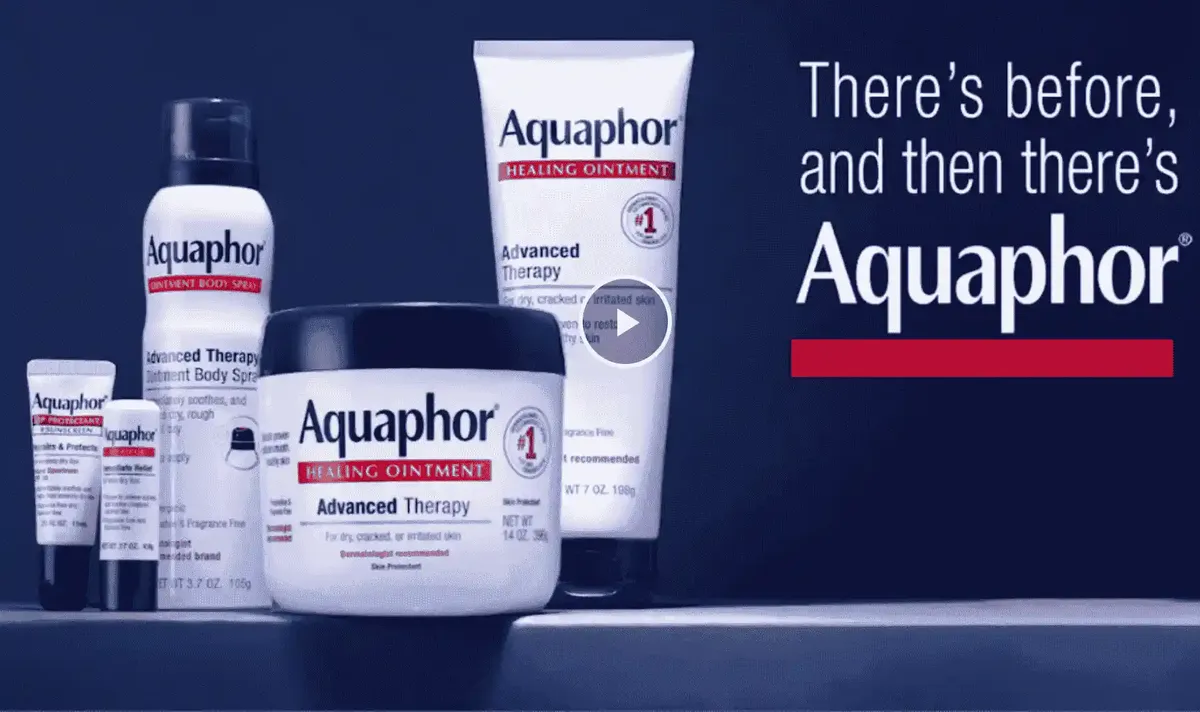
1. Aquaphor Healing Ointment
Category: Multi-Purpose Balm | Price Range: $10–$15 | Rating: 4.7+ (120,000+ reviews)
Aquaphor is the ultimate Amazon beauty product: multi-purpose, dermatologist-recommended, and universally applicable. It resurged onto the best sellers list after a brief absence, driven by social media's "slugging" trend. The product didn't change — consumer behavior did. This is why continuous category monitoring matters for marketers.
2. Clean Skin Club Clean Towels XL
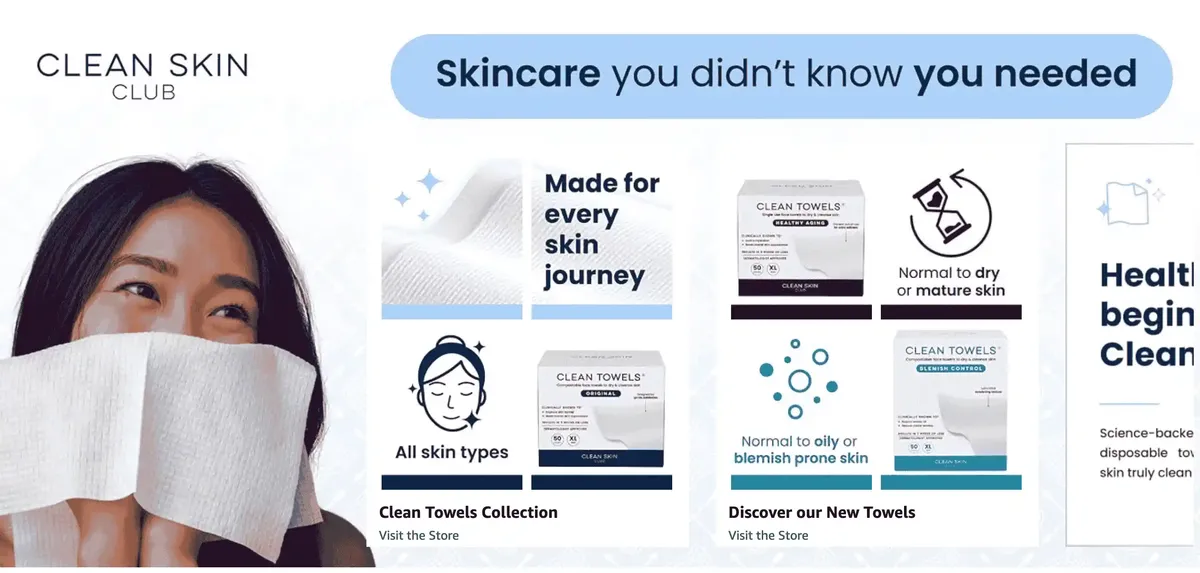
Category: Disposable Face Towels | Price Range: $14–$18 | Rating: 4.6+ (50,000+ reviews)
A relatively new category that Clean Skin Club essentially created on Amazon: disposable, hygienic face towels positioned as the solution to "your regular towel is causing breakouts." The brand's strategy of creating a new subcategory rather than competing in an existing one is a playbook worth studying.
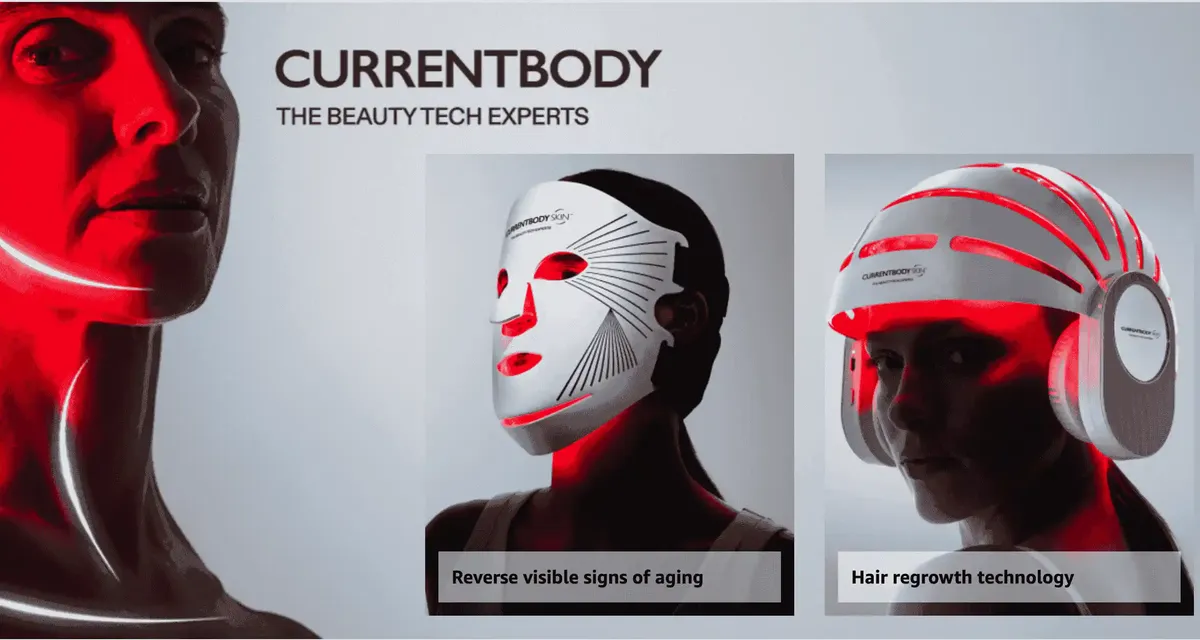
3. CurrentBody Skin LED Light Therapy Face Mask
Category: LED Device | Price Range: $380–$420 | Rating: 4.4+ (5,000+ reviews)
One of the most expensive products on this list — and proof that Amazon consumers will spend significantly when the perceived value is clinical-grade. LED masks have moved from dermatologist offices to home bathrooms, creating a new premium category within Amazon beauty. CurrentBody's positioning as "the LED mask used in clinical trials" gives it the credibility needed to command a $400+ price point on a platform dominated by $15 products.
4. Dyson Supersonic Hair Dryer
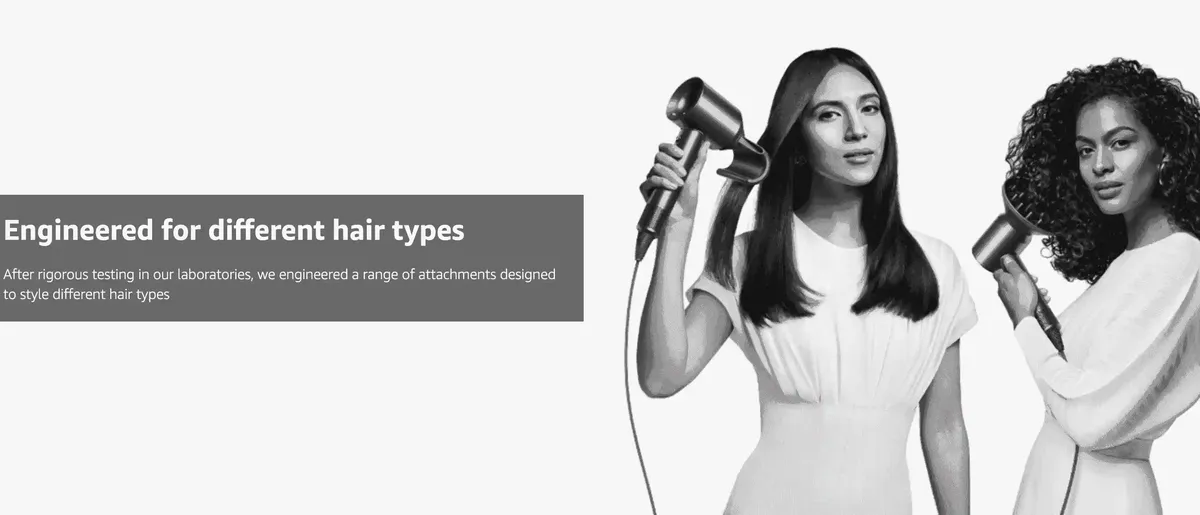
Category: Hair Tool | Price Range: $400–$430 | Rating: 4.5+ (15,000+ reviews)
Dyson on Amazon is a fascinating case. Dyson shows how premium beauty tools can use Amazon as a comparison and conversion channel, not only a discount channel. For luxury beauty brands, Amazon is increasingly a discovery channel, not just a sales channel.
How Marketers Should Evaluate Amazon Beauty Products
A product's star rating tells you almost nothing useful. Here's what to look at instead:
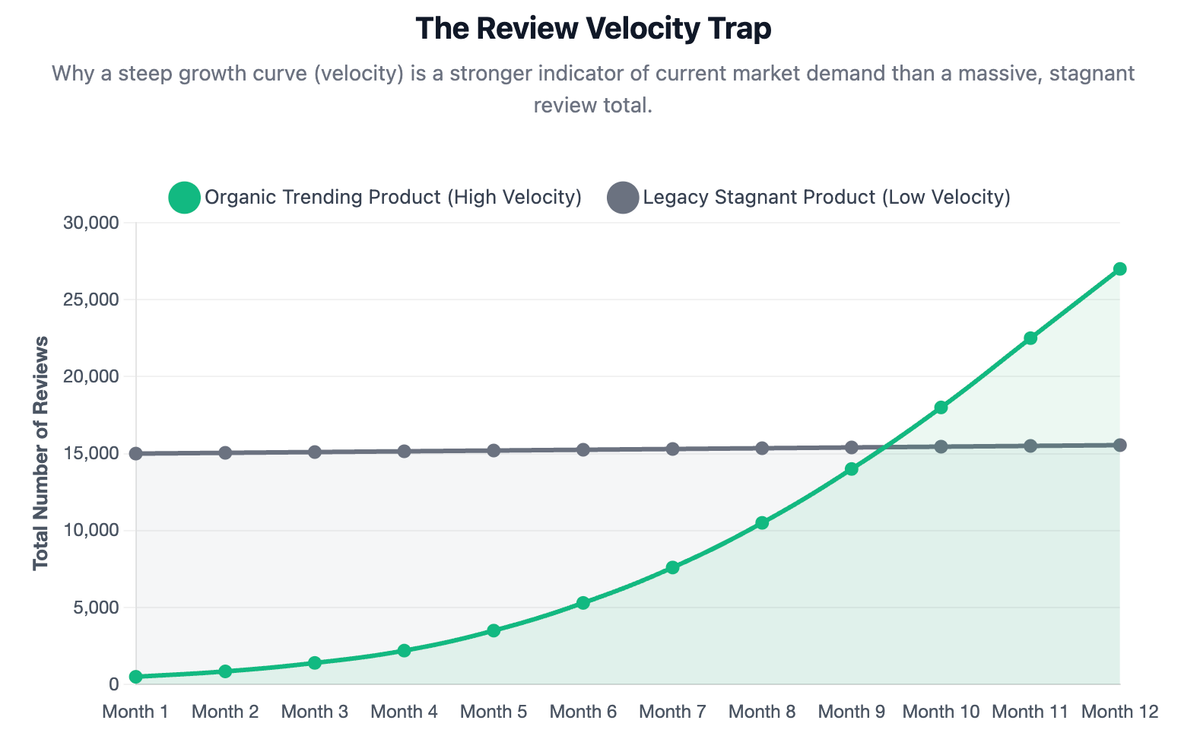
Review Velocity vs. Review Total
A product with 10,000 reviews accumulated over 5 years is fundamentally different from a product with 5,000 reviews accumulated in 6 months. The latter signals active demand growth. The former may be a legacy product coasting on historical sales.
What to track: Month-over-month review growth rate. Products with accelerating review velocity are either running aggressive promotional campaigns (temporary) or experiencing genuine organic demand (durable).
The 3-Star Review Goldmine
Five-star reviews are marketing copy. One-star reviews are often about shipping or packaging — operational issues, not product issues. Three-star reviews are where you find the real consumer insight: "I like it, but..." reveals the gap between what consumers expect and what they get.
Pro tip: For competitive analysis, extract the most common phrases from 3-star reviews in your target subcategory. These represent unmet needs — and potential product development or positioning opportunities for your brand.
BSR Pattern Recognition
Best Seller Rank fluctuates hourly. A product that consistently stays in the top 100 of its subcategory for 90+ days is fundamentally different from a product that spikes into the top 10 during a promotion and then drops to 500. The latter is paid traffic. The former is organic demand.
Price Point Clustering
Map the price distribution of the top 50 products in your category. You'll typically find 2–3 distinct price clusters. These represent what consumers are willing to pay for different value propositions within the same category. Launching at a price point between clusters — where no winning products exist — is usually a sign that consumers don't see value at that price, not a white space opportunity.
Comparison: Best Beauty Products on Amazon by Category
Product | Category | Price | Rating (Reviews) | Best For |
Medicube Zero Pore Pad 2.0 | Toner Pads | $22–$28 | 4.5★ (8K+) | Pore care routine builders |
How to Automate Amazon Beauty Data Research
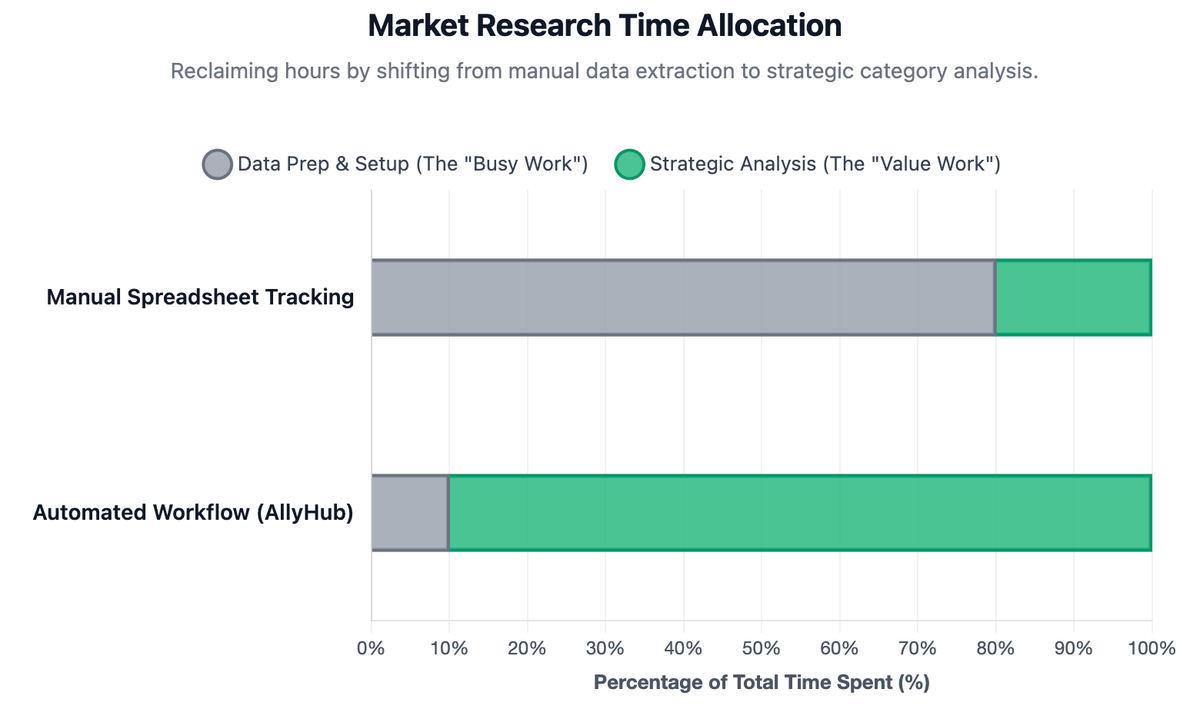
Instead of spending hours manually browsing Amazon, copying data into spreadsheets, and trying to spot patterns, AllyHub automates the data collection and helps you focus on what actually matters: strategic decisions.
Instead of just handing you a raw CSV file, AllyHub lets you extract structured data from Amazon — product listings, reviews, ratings, BSR history — and instantly transform it into finished competitive reports and sentiment analysis. Instead of treating every category audit as a one-off spreadsheet project, marketers can build a repeatable workflow and refine it over time.
How beauty marketers use AllyHub for Amazon intelligence:
- Competitive product monitoring: Monitor publicly visible signals such as review count changes, rating shifts, listing updates, price tiers, and ranking snapshots — without manual checking.
- Review sentiment analysis at scale: Extract reviews across multiple products, then analyze recurring themes, complaints, and wishlist features.
- Category trend detection: Monitor new product launches and BSR acceleration patterns to identify trending subcategories.
- Price-positioning research: Map the competitive landscape by price tier to identify gaps and opportunities for new product launches.
The marketers who win on Amazon aren't the ones who read the best product lists. They're the ones who build the systems to generate their own.
FAQ
How can marketers identify trending beauty products on Amazon?
1. BSR velocity — how fast a product's Best Seller Rank is improving
2. Review acceleration — whether review volume is growing faster than the category average
3. Recurring themes in recent reviews that indicate unmet consumer needs.
Can you trust Amazon reviews for beauty product research?
Yes, but not the way most people use them. Ignore the star average and read the 3-star reviews specifically — they contain the most balanced assessments. Look for recurring phrases across reviews (not individual reviews).
Why is skincare dominating Amazon's beauty category?
Skincare's dominance on Amazon reflects a broader consumer shift toward treatment-oriented beauty. Skincare products promise specific, observable outcomes (clearer skin, fewer pores, brighter complexion) that align with Amazon's functional, review-driven shopping experience.
How do K-beauty brands win on Amazon?
Many K-beauty products win by combining ingredient-led stories, accessible-to-mid-tier pricing, and product formats that create visual routines.
What's the fastest way to spot beauty trends on Amazon?
The fastest signal is BSR acceleration in subcategories you don't normally track. When a product in an adjacent subcategory suddenly jumps from #500 to #50, it often signals an emerging trend. Set up monitoring across 5–10 beauty subcategories — the cross-category patterns reveal trends before they show up in the subcategory you're focused on.