Becoming well-known on Instagram doesn't mean becoming famous overnight. For most creators, it means becoming recognizable to a specific audience for a specific topic, style, or type of content — and giving people a reason to keep coming back.
The path is more practical than it sounds: choose a focused niche, make content people want to watch and share, build a consistent posting routine, and use your Insights to improve what you publish. This guide walks you through 10 steps to build recognition on Instagram, whether you're starting from zero, trying to grow an existing account, or want to do it without showing your face.
Key Takeaways
- Pick a niche narrow enough to own: "Lifestyle content" is a category. "Budget meals for shift workers" is a niche. The tighter the niche, the faster you become "the account for X."
- Prioritize Reels: Use short-form video to reach people who don't follow you yet.
- Optimize for watch time and sends: Content people finish watching and share is more likely to reach new audiences.
- Consistency beats volume: A 3–5 post/week schedule you hold for six months outperforms a daily schedule you abandon in three weeks.
How to Become Well Known on Instagram: The 10-Step Playbook
The steps below are ordered the way they actually matter. Steps 1–3 set your foundation, 4–8 are your content engine, and 9–10 are how you compound instead of starting from zero every week.
Step 1: Pick a Niche Narrow Enough to Own
"I post lifestyle content" is not a niche — it's a category with millions of competitors. "Budget meals for shift workers" is a niche you can actually own.
Ask yourself: what can I talk about for 100 posts without running out? Then narrow it one more notch. A tight niche feels limiting at first, but it's the fastest way to become "the account for X" in someone's mind — and in the algorithm's.
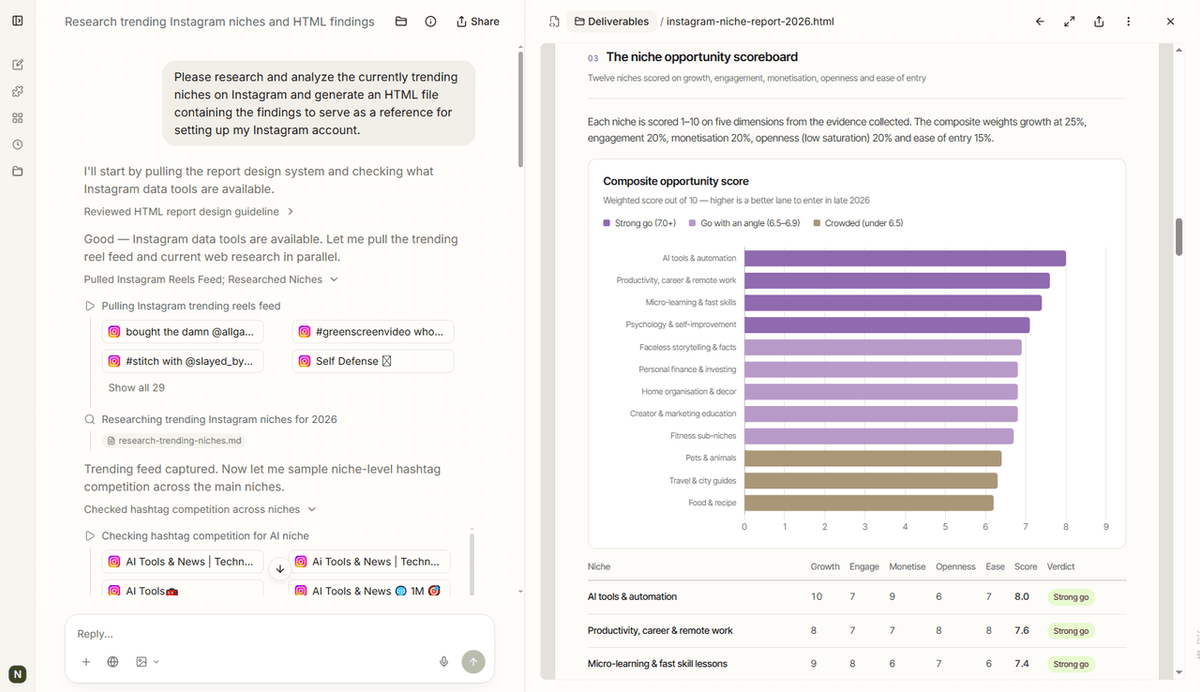
Research before you commit. Instead of relying on guesswork, use AllyHub to research creators, content patterns, and emerging topics around potential niches. Its Radars can monitor creators and trends, while Deep Reports can turn that research into structured insights — helping you compare niches and spot opportunities before choosing one.
Step 2: Rewrite Your Bio as a One-Line Promise
Once you've picked your niche, make your positioning obvious. Your bio has one job: tell a stranger what they get by following you.
- Name field: Put your niche keyword here (e.g., "Meal Prep | Priya"), because Instagram's search indexes it.
- Bio line: One sentence, outcome-focused — "I help nurses eat well on a 12-hour shift."
- Call to action: One link or one instruction, nothing more.
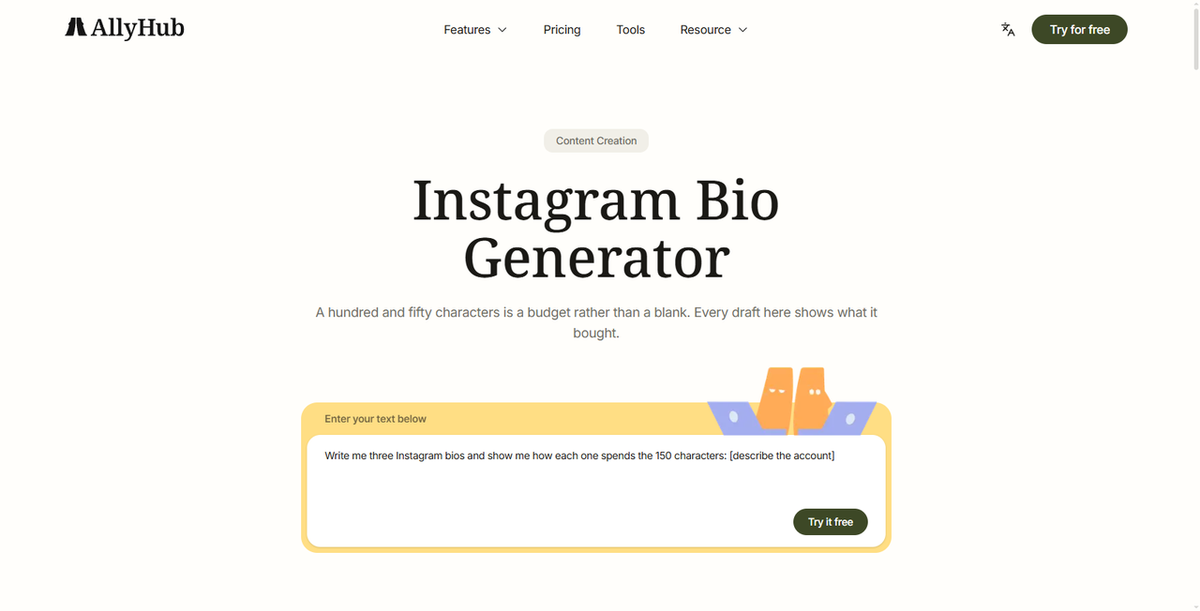
After researching your audience and competitors in AllyHub, use its Editor to turn those findings into a concise bio that reflects your niche, audience, and content promise. The goal isn't to sound clever — it's to make the value of following obvious within seconds.
💡 Pro tip: Write your bio from the follower's side of the table. "Sharing my journey" tells them nothing. "Weekly 15-minute recipes for people who work nights" tells them exactly why to tap Follow.
Step 3: Lead With Reels — That's Where Strangers Find You
Static photos and carousels are for the people who already follow you. Reels are for everyone else. If your goal is to get noticed by new people, Reels have to be your primary format.
A practical split for most growth-focused accounts is roughly 60–70% Reels to 30–40% carousels. Use Reels to be discovered, then use carousels and Stories to deepen the relationship with the people who arrive.
Use Trial Reels to test hooks without risking your feed
Instagram's Trial Reels feature lets you publish a Reel that's shown to non-followers first, without appearing on your main profile grid or in your existing followers' feeds. This is ideal for testing new hook formats, topics outside your usual niche, or experimental content — you get real performance data before committing the post to your profile. If a Trial Reel performs well, you can add it to your feed; if it doesn't, it disappears without affecting your account's overall metrics.
Step 4: Engineer the First Three Seconds
Watch time is the top signal, and the first three seconds decide whether anyone watches the rest. Your hook is not an introduction — it's a reason to stay.
Strong openings for creators: a bold claim ("You've been boiling pasta wrong"), a visible payoff ("Here's the outfit before I say the price"), or a pattern interrupt (an unexpected first frame). Cut the "hey guys, welcome back." Nobody is waiting for it.
Design your Reel to loop: end on a frame that flows naturally back into the start, and a rewatch counts as more watch time.
Step 5: Build for Sends and Saves, Not Just Likes
If you want to reach non-followers, make content people send to a friend. The content that travels usually does one of four things:
- Teaches something specific — "how to remove a red wine stain"
- Saves someone money or time — "three apps that replaced my $200 course"
- Says the thing they were already thinking — relatable, quotable takes
- Gives them something to send — a checklist, a template, a "tag a friend who..."
Before you post, ask the one question that predicts distribution: Who sends this to whom, and why? If you can't answer it, rework the post.
Step 6: Use Hashtags and Keywords for Search, Not Just Reach
The old advice to pile on dozens of hashtags for reach is outdated. On Instagram, keywords and topic relevance now matter across more than just your caption. Hashtags can still help categorize content, but they shouldn't be your main discovery strategy.
Place your target keywords naturally across the parts of your profile and content that help Instagram understand the topic:
- Name field and bio: Make your niche or specialty clear in searchable profile text. For example, use “Meal Prep | Priya” rather than only a personal name.
- Caption: Write the way people actually search. “Sourdough starter troubleshooting” is more useful than “my weekend baking adventure” if that is what the post is about.
- On-screen text: For Reels and carousels, use clear topic language in your visible text when it naturally fits the content.
- Alt text: Write accurate, descriptive alt text for accessibility. If a relevant keyword naturally belongs in the description, include it without turning alt text into a keyword list.
- Hashtags: Use a small number of highly relevant topic tags to reinforce what the post is about rather than stuffing generic tags such as #love or #instagood.
The goal is topic clarity, not keyword repetition. If your niche is sourdough, naturally use terms such as “sourdough starter,” “bulk fermentation,” and the specific problems your audience searches for.
Step 7: Post on a Schedule You Can Actually Keep
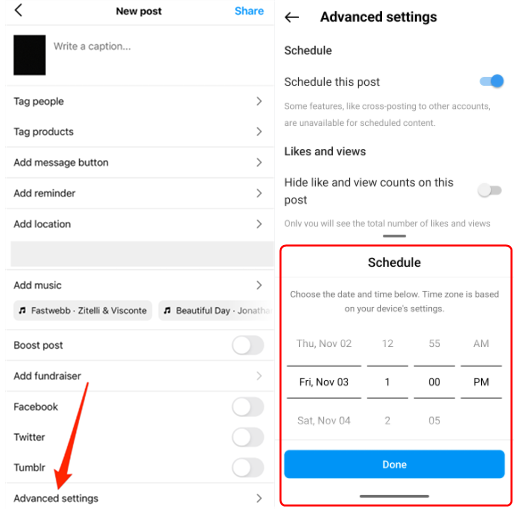
Growth rewards consistency far more than volume. A sustainable baseline for most accounts is 3–5 feed posts per week plus 1–2 Stories per day. There are diminishing returns past about five feed posts a week — at that point you're not posting more, you're just posting worse.
The key word is keep. A slightly slower schedule you hold for six months beats a frantic one you abandon in three weeks. If you're juggling multiple accounts or clients, batch content in one sitting so daily posting isn't a daily decision.
Step 8: Show Up in the Comments Every Day
This is the least glamorous step and the one most people skip. Reply to every comment on your own posts for the first hour — early engagement tells Instagram your post is worth distributing. Then spend 20 minutes leaving genuine comments on posts in your niche.
Your replies also work as content. A sharp answer to a comment often becomes tomorrow's Reel. Save the good questions — they're free market research on what your audience wants next.
Step 9: Collaborate Instead of Competing
The fastest non-viral growth lever is other people's audiences. Instagram's collaboration feature lets a post appear on both your feed and a partner's, so both audiences see it. Seek out creators at your level, not just big accounts — a peer with a similar-sized, similar-niche audience is a realistic, repeatable partner.
Collaboration also sends a strong relationship signal to the algorithm, which weighs interactions between accounts.
Step 10: Review Your Insights and Double Down
Most creators post, glance at the likes, and move on. The ones who grow fastest look at why something worked and repeat it.
Once a week, open Insights and find your top post and your bottom post. Compare the hook, the format, the topic, and the first three seconds. What changed? Do more of what earned watch time and sends; retire what didn't. That 20-minute review is the difference between guessing and improving.
FAQ: Becoming Well Known on Instagram
What does it take to become well known on Instagram?
You don't need millions of followers. Start by becoming recognizable for one specific topic, format, or type of content. A clear niche helps Instagram understand who your content is relevant to, while consistent, useful content gives people a reason to watch, share, and follow. The goal is to build recognition within a specific audience first, then expand from there.
What does the Instagram algorithm look for?
Instagram uses different ranking systems across Feed, Reels, Stories, Explore, and other surfaces. Adam Mosseri has identified watch time, likes, and sends as the three signals that matter most for ranking. For reaching people who don't already follow you, sends are particularly important. Original content and relevance also matter, but there is no single formula that guarantees a viral post.
Can you become well known on Instagram without showing your face?
Yes. Faceless accounts can grow with tutorials, screen recordings, voiceovers, product demos, hands-only videos, and text-led Reels. The fundamentals stay the same: choose a clear niche, create strong hooks, and make content people want to watch and share. Consistent visual branding can also make a faceless account more recognizable.
How long does it take to become well known on Instagram?
For most people, meaningful recognition takes six to twelve months of consistent posting, not weeks. Accounts under 10K can grow surprisingly fast when they post 3–5 times a week and engage daily, but the early phase is mostly the algorithm gathering data on who your content is for. Expect your first three months to feel slow, then to accelerate if you keep the niche tight and the hooks strong.
Is it worth buying followers or engagement to look popular?
No — and it actively hurts you. Bought followers don't watch your content, so your watch time and sends per reach collapse, and Instagram reads that as "this account isn't resonating." It then shows your posts to fewer real people. Fake engagement also breaks monetization eligibility, which requires genuine, original content. The vanity number isn't worth the reach penalty.
How do you get noticed on Instagram with zero followers?
Start with a clear niche and a repeatable content format. Use Reels to test different hooks, engage with creators and communities your target audience already follows, and give people a simple reason to follow. Don't judge the account after a few posts — use early content to identify what gets watched, shared, and followed, then make more of it.
What to Do Next
If you're starting from zero: complete Steps 1–3 this week. Pick your niche, rewrite your bio, and publish your first three Reels with intentional hooks. Don't judge the account yet — use the first month to gather data on what gets watched and shared.
If you already have an account but growth has stalled: go straight to Step 10. Open Insights, find your top three posts from the last 90 days, and identify what they have in common. That pattern is your next content direction.
Use AllyHub's Radars to stay on top of what's working in your niche, and Deep Reports to turn that research into a structured content strategy before your next posting sprint.